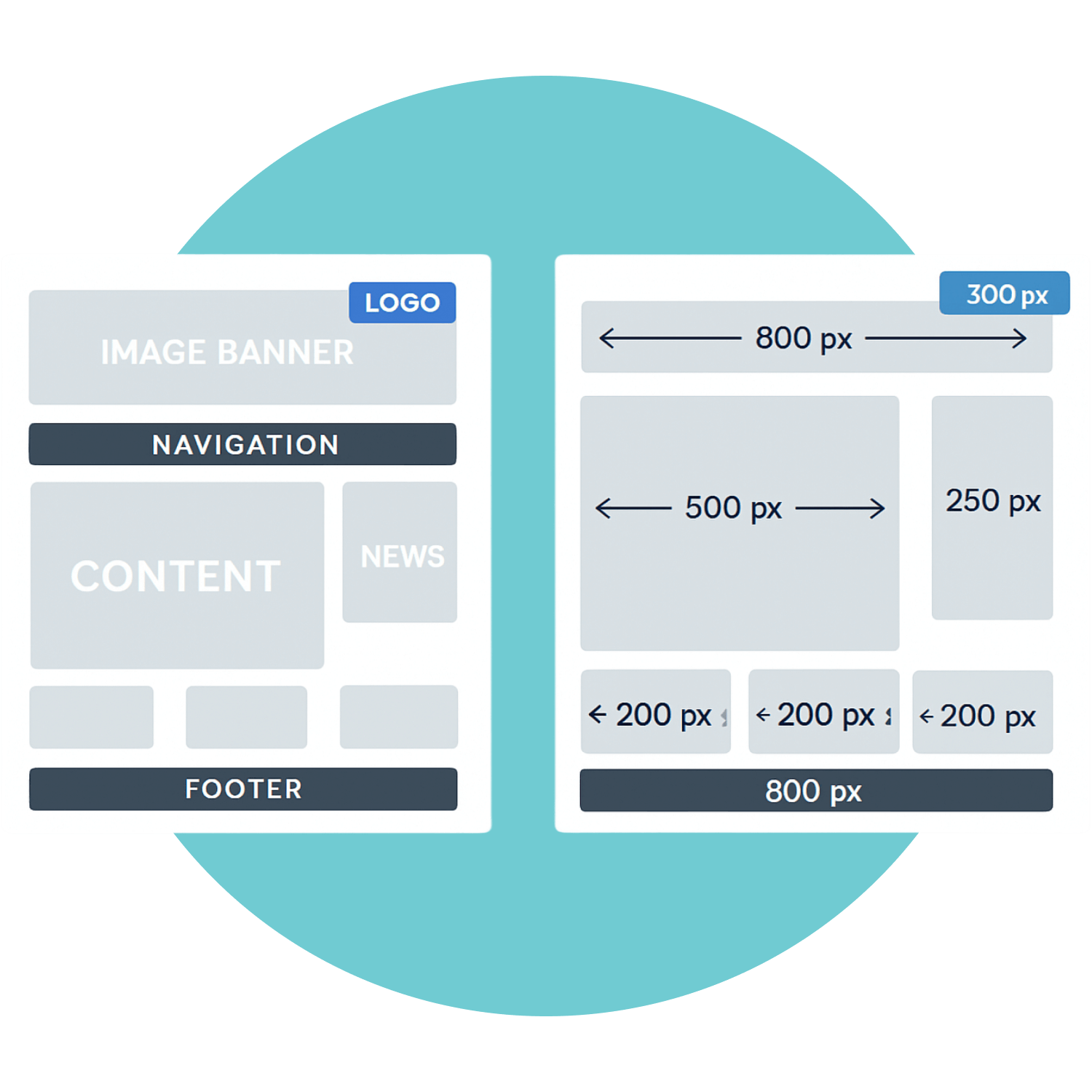
When people need heating or air conditioning services, they usually don’t flip through a phone book; they pull out their phone and search online. In a matter of seconds, your HVAC website becomes the face of your business. It shapes whether a potential customer calls you, clicks away, or chooses a competitor down the street.
That’s why the best HVAC websites aren’t just attractive. They’re carefully built with strategy, usability, and conversion in mind. A strong HVAC website design communicates professionalism, builds trust, improves visibility in search engines, and helps you generate more leads.
In this article, we’ll explore 14 key elements that make great HVAC websites successful. Does your site meet these standards, or is it time for an upgrade to a new HVAC website?
1. Clean, Professional Website Design
Your website has just a few seconds to make an impression. If it looks outdated, cluttered, or unprofessional, visitors may assume your HVAC company runs the same way. A modern, polished website design instantly reassures people they can trust you with their HVAC services.
Elements of a Professional Look
Professional web design doesn’t mean flashy: It means consistency. Your brand colors should appear throughout the site. Fonts should be easy to read. White space should separate content so visitors can scan quickly. Together, these details create a look that’s welcoming, approachable, and credible.
Responsive Design for Every Screen
Customers might visit your HVAC website from a desktop at work, a tablet at home, or a smartphone in the middle of an AC breakdown. Responsive design ensures your site adjusts beautifully across all screen sizes. That flexibility isn’t optional anymore—it’s expected.
2. Fast Loading Speed & Mobile Friendly Layout
Slow sites lose business. Every extra second of load time increases the chance a visitor leaves. Search engines know this too, which is why website speed is a ranking factor. A fast-loading HVAC website keeps people engaged and helps you rank higher.
Mobile Friendly Means More Customers
Today’s customers often find HVAC companies while on the go, searching on smartphones. If your HVAC web design isn’t mobile friendly, buttons may be too small to tap, or text may be impossible to read. That frustration pushes potential customers straight to competitors with easier-to-use sites.
How to Test and Improve
Tools like Google PageSpeed Insights and SEMrush let you measure your site’s performance. Beyond testing, the fixes often include compressing images, minimizing code, and using reliable hosting. Together, these improvements keep your site fast and user-friendly.
3. Clear Calls-to-Action
Even the best HVAC website designs won’t deliver results if visitors don’t know what to do next. That’s where calls to action (CTAs) come in. They guide visitors toward contacting you, scheduling service, or requesting an estimate.
Strategic Placement for Maximum Conversions
CTAs work best when they’re visible and consistent. Place them at the top of your hero section, inside your navigation bar, and throughout your service pages. When a customer is ready to act, they should never have to hunt for a button.
Choosing the Right Language
CTA wording should be direct and specific. “Request Service” or “Schedule Service” communicates exactly what happens when the button is clicked. Vague wording like “Learn More” often leads to fewer conversions. Clarity is what turns browsers into buyers.
4. Strong Local SEO & Service Area Pages
Your customers are searching for air conditioning solutions near them. That makes local SEO one of the most powerful tools in HVAC marketing. Without it, your site might never appear in search results, even if you’re the best in town.
Building Effective Service Area Pages
The best HVAC websites dedicate pages to the specific cities and neighborhoods they serve. For example, “Air Conditioning Repair in Austin” or “Heating Air Services in Round Rock” could help with search engine optimization. These pages help you rank for location-based searches while showing potential customers you really serve their community.
Local SEO Best Practices
Consistency is key. Make sure your business name, address, and phone number (NAP) are the same across your site, Google Business Profile, and online directories. Add optimized meta descriptions and embed Google Maps on your site. Together, these signals tell search engines, and customers, that you’re local and trustworthy.
5. Trust Builders: Reviews, Certifications & Photos
Before choosing a HVAC business, most people check Google Reviews and customer testimonials. Embedding these directly on your HVAC website design shows transparency and provides social proof. Seeing dozens of five-star reviews often convinces customers to take action.
Certifications and Badges
Certifications like NATE or affiliations with the BBB instantly build credibility. Display them proudly on your homepage and service pages. These small icons reassure visitors that your HVAC company meets high industry standards.
Team Photos Humanize Your Brand
Adding real team photos instead of stock images makes your company approachable. Customers want to know the technicians entering their home. A photo of your smiling team in uniform goes a long way toward building trust.
6. Informative Written Content
People visit your HVAC website with problems: a broken AC, a failing furnace, or high utility bills. Your content should provide clear, helpful answers. Well-written service pages explain what you do and how you help customers feel comfortable again.
Blogging for Visibility and Authority
Blog posts expand your reach in search engines. Writing about topics like “Signs Your AC Needs Repair” or “How to Improve Indoor Air Quality” positions your company as an expert. Over time, this content builds trust and improves rankings.
FAQs Save Time and Boost SEO
Frequently asked questions not only help visitors find quick answers but also add keyword-rich content. Cover common topics like costs, warranties, and emergency response times to reassure potential customers.
7. User-Friendly Navigation & Structure
Navigation is the backbone of a user-friendly website. Visitors should reach any page within a few clicks. A clear menu structure - Home, Services, About, Blog, Contact - keeps everything intuitive.
Avoid Common Mistakes
Overloaded dropdowns, missing CTAs, and hidden contact information frustrate visitors. These issues often lead to lost leads. Keep your navigation simple and predictable.
Guiding the Customer Journey
Your HVAC website design should naturally guide visitors toward contacting you. Internal links, breadcrumbs, and well-placed CTAs help them move through the site without confusion.
8. Lead Generation Tools
The best HVAC websites go further than just listing a phone number. They use tools designed to capture leads in multiple ways.
Examples That Work
Click-to-call buttons on mobile make it effortless to connect. Short request service forms reduce friction. Seasonal promotions or referral programs give visitors an extra reason to act.
Tracking Every Lead
Lead generation isn’t complete without measurement. Call tracking and form tracking software let you see exactly which marketing efforts are bringing in customers. That insight helps you refine your digital strategy over time.
9. Hero Section Features
The hero section is the digital “front porch” of your business. It’s what visitors see first, and often where they decide whether to stay.
Designing a High-Impact Hero
The strongest hero sections feature a bold headline (“Expert Heating & Cooling in Austin”), a short subheadline that builds trust, and a visible CTA button (“Schedule Service”). Pair this with a clean background image or video, and you’ll grab attention instantly.
The Power of Real Visuals
Show your technicians, trucks, or service in action. A photo of your actual team is far more effective than stock photography. It makes your company real, relatable, and trustworthy.
10. Conversion Tracking & Analytics
Many HVAC companies overlook analytics, but without data, you’re flying blind. Conversion tracking reveals how visitors use your site, which CTAs work, and where leads are coming from.
What to Measure
The most important metrics include phone calls, form submissions, and online chat leads. You should also track seasonal promotions to see what drives engagement during peak HVAC months.
Tools That Help
Google Analytics, Google Tag Manager, and platforms like CallRail make conversion tracking simple. With these tools in place, you can tie website traffic directly to new customers.
11. Clear Service Pages
A single “HVAC Services” page won’t cut it. Each service deserves its own page to rank in search engines and reassure visitors that you handle their exact needs.
Examples of Effective Service Pages For HVAC Websites
- Air conditioning repair pages that explain cooling issues.
- Heating air installation pages with financing options.
- Duct cleaning and indoor air quality pages that highlight benefits.
Writing for Customers, Not Just SEO
Explain the problem, describe your solution, and end with a clear CTA. When structured this way, your service pages both rank well and convert visitors into customers.
12. Strong Visuals & Images
Strong visuals instantly increase trust. If your website uses blurry or outdated images, visitors may assume the same about your workmanship.
Best Types of HVAC Website Photos
- Team photos in branded uniforms.
- Trucks and vans with your company logo.
- A gallery section outlining projects you have covered.
- Real technicians performing HVAC services.
- Before-and-after shots of installations.
Moving Beyond Stock Images
Stock photos can feel generic. Real photos, even if taken with a smartphone, show authenticity. They prove you’re a real company serving real customers.
13. Security & Trust Signals
If a visitor sees “Not Secure” in their browser, they’re unlikely to submit personal information. That makes HTTPS and SSL certificates essential.
Other Signals That Build Confidence
A clear privacy policy, secure contact forms, and visible guarantees all reassure visitors that your HVAC website is safe to use.
Going Further with Trust
Offering financing options, service guarantees, or transparent pricing on your site can further set your HVAC company apart.
14. FAQ Sections That Answer Real Questions
An FAQ section doesn’t just help with SEO; it reduces uncertainty. When people see answers to their most common questions, they feel more confident about contacting you.
FAQs can also play a growing role in how AI-driven algorithms crawl and understand websites, which may help your content appear in featured snippets.
Good FAQ Examples
Cover topics like:
- “How do I know if I should repair or replace my AC?”
- “How quickly can you respond to no-heat emergencies?”
SEO Value of FAQs
FAQs also capture long-tail and voice search queries. Adding them to your HVAC website design improves visibility while making your site more user-friendly.
Why Work With a Professional HVAC Website Design Company
Drag-and-drop website builders may seem inexpensive, but they rarely deliver the results HVAC companies need. They’re often slow, generic, and poorly optimized for search engines. Such a website might prove expensive in the long run, especially if you keep losing leads.
The Benefits of Custom HVAC Website Design
A professionally built HVAC website design is tailored to your business goals. It’s optimized for local SEO, built to convert, and flexible enough to grow with your company.
How Geek Powered Studios Helps HVAC Companies
At Geek Powered Studios, we’ve built HVAC websites that consistently attract more traffic and generate more leads. Our team combines website design, SEO, and PPC expertise to help HVAC companies stand out in competitive markets.
Audit Your HVAC Website Today
The best HVAC websites share these key things: clean design, fast loading, mobile-friendly layouts, clear calls to action, local SEO, trust signals, quality content, and more. Together, these elements turn your website into a true business tool, not just a digital brochure.
Take time to audit your current site. Where are you strong, and where can you improve?
If you’re ready to take your HVAC website design to the next level, Geek Powered Studios can help. Our team specializes in building user-friendly, conversion-focused websites that help HVAC companies attract more customers and grow faster.
Contact us today to learn more about our web design and digital marketing services.