
The cheapest weight loss injection available in October 2026 is compounded semaglutide through a licensed 503A telehealth provider, starting at $69 per month on an annual billing plan. Compounded tirzepatide runs $119–$125 per month. For patients who want an FDA-approved brand product without insurance, NovoCare sells the oral Wegovy pill starting at $149 per month. Injectable Wegovy via NovoCare runs $349 per month at maintenance doses. Commercially insured patients who apply a manufacturer savings card can pay as little as $25 per month. Brand-name retail list prices with no assistance reach $969–$1,349 per month — the anchor that makes every other number look reasonable by comparison.
-
$69–$99/monthCompounded semaglutide floor via 503A telehealth on annual plan
-
$149/monthNovoCare entry price for the oral Wegovy pill (starter dose)
-
8.7%ACA marketplace plans covering GLP-1s for obesity in 2026
-
40–50%Denied prior auth requests overturned on appeal with documentation
-
$50/monthMedicare Part D GLP-1 Bridge copay through December 31, 2027
-
$2,376/yearHidden membership fee gap on some $99/month advertised telehealth plans
-
36%Employer plans that cover GLP-1 medications for weight loss, mid-2026
-
20.2–20.9%Average body weight loss for tirzepatide 15mg in SURMOUNT-1 trials
The cheapest weight loss injection available in October 2026 costs $69 per month. The most expensive version of the same active ingredient costs $1,349 per month at the retail pharmacy counter. That $1,280 monthly spread — entirely explained by which pricing tier the patient accesses — is the central fact that drives every search, every price-shopping conversation, and every consultation your clinic books or loses. This guide maps the full GLP-1 medications cost landscape for weight loss clinic owners and healthcare marketers: what each tier actually includes, what drives the price at each level, what the insurance coverage gaps look like in 2026, and how to present this information on a pricing page in a way that converts cost-sensitive patients instead of sending them to a competitor who publishes the numbers you're hiding.
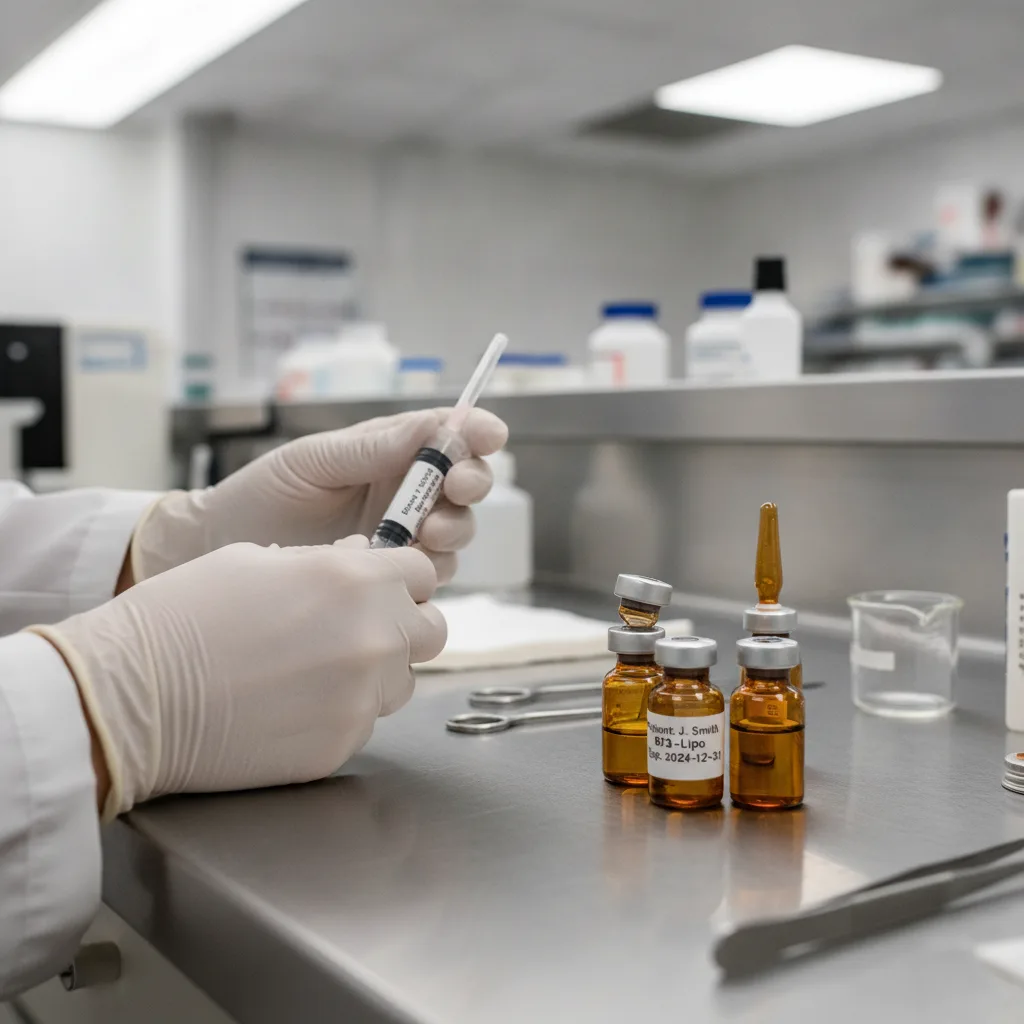
GLP-1 Weight Loss Injection Monthly Costs in 2026
| Tier | Price range | What's included | Best for |
|---|---|---|---|
| Compounded Semaglutide or Tirzepatide (503A Telehealth) | $69–$125/month | Patient-specific compounded injectable via state-licensed 503A pharmacy, home delivery, async telehealth consult, licensed clinician sign-off | Uninsured or cost-sensitive patients comfortable with a compounded (non-brand) formulation at the lowest verified monthly cost |
| Manufacturer Direct-Pay (NovoCare / LillyDirect) | $149–$549/month | FDA-approved brand-name injectable pens or the oral Wegovy pill shipped direct from Novo Nordisk or Eli Lilly, valid prescription required, no insurance verification | Uninsured patients who want an FDA-approved brand product without the retail pharmacy markup, and clinics presenting a middle-tier option alongside compounded pricing |
| Commercially Insured (with Savings Card) | $25–$200/month out of pocket | Brand-name Wegovy or Zepbound injectable pens through retail or mail-order pharmacy, manufacturer savings card applied at point of sale, prior authorization required by most plans | Patients with employer-sponsored or commercial ACA insurance who have a qualifying diagnosis code and are willing to navigate prior authorization |
| Brand-Name Retail List Price (No Assistance) | $969–$1,349/month | Brand-name injectable pen or oral pill purchased at a retail pharmacy counter at full list price, no insurance, no savings card, no manufacturer program applied | Almost nobody — this is the anchor price that explains why every other tier on this page exists |
What You Get at Each Price Point: Insurance Coverage Gaps and Out-of-Pocket Costs Explained
Compounded Semaglutide or Tirzepatide (503A Telehealth)
The cheapest weight loss injection in 2026 is compounded semaglutide through a licensed 503A telehealth provider, priced at $69–$99 per month on an annual billing plan. Compounded tirzepatide — the same active ingredient as brand-name Zepbound — runs $119–$125 per month. GLP-1 Watchdog's October 2026 price index identifies Embody, SnagRx, and TrimRx as the most price-transparent providers in this tier, quoting a single flat rate at every dosage stage with no hidden membership fees.
The legal landscape here requires a clear explanation on your pricing page. As of October 2026, the FDA proposed permanently removing semaglutide and tirzepatide from the 503B outsourcing facility bulks list (proposed April 30, 2026; comment period closed June 30, 2026), effectively ending large-scale 503B compounding. The 503A patient-specific pathway through state-licensed compounding pharmacies remains legal, requiring a licensed clinician to evaluate each patient's health history before signing off on the prescription. Clinics that explain this distinction — rather than leaving patients to find alarming headlines about compounding bans — build immediate credibility with the most price-sensitive segment of their market.
Manufacturer Direct-Pay (NovoCare / LillyDirect)
NovoCare and LillyDirect are the most underused cost tools in GLP-1 patient counseling. NovoCare sells the oral Wegovy pill — oral semaglutide, launched January 5, 2026 — starting at $149 per month for lower starter doses, rising to $299 per month for higher doses. That makes it the most affordable FDA-approved branded entry point for patients who prefer pills over injectable pens. Injectable Wegovy pen via NovoCare runs $199 for the first two starter fills, then $349 per month at maintenance dosage. LillyDirect offers Zepbound vials at $299–$549 per month by dose tier.
These programs require only a valid prescription from a licensed healthcare professional — no insurance check, no prior authorization wait. For most uninsured patients who earn too much to qualify for a patient assistance program but can't stomach the retail list price of $969–$1,349 per month, the manufacturer direct channel cuts the annual cost from roughly $12,000–$16,000 down to $1,800–$6,600. Clinics that present this math on their pricing page — with home delivery noted and no pharmacy visit required — convert significantly more of this patient segment before a competitor does.
Commercially Insured (with Savings Card)
Commercially insured patients who apply a Novo Nordisk or Eli Lilly manufacturer savings card can pay as little as $25 per month for Wegovy or Zepbound — but only if their plan covers the medication for weight loss, which in 2026 is far from guaranteed. Only 36% of employer plans cover GLP-1 medications for weight loss, and only 8.7% of ACA marketplace carriers cover them for obesity. The same drug prescribed for type 2 diabetes is covered by 82% of marketplace plans. The diagnosis code on the prescription is the single biggest cost variable a patient faces, and many insurance plans deny claims simply because obesity is listed rather than diabetes.
Prior authorization is the choke point for this tier. The first-pass approval rate for commercial plans that do cover weight-loss GLP-1s sits at 52%, dropping to 38% when step therapy requirements apply. The critical number your clinic should publish and act on: 40–50% of initially denied prior authorization requests are overturned on appeal when supported by detailed clinical documentation. Savings cards explicitly exclude Medicare, Medicaid, VA, and TRICARE enrollees — a detail that trips up many patients who assume the $25 offer applies to them regardless of their plan type.
Brand-Name Retail List Price (No Assistance)
Brand-name GLP-1 medications carry retail list prices of $969–$1,349 per month without insurance or assistance: Ozempic at approximately $998 per month, Mounjaro at $1,023 per month, Zepbound at $1,060 per month, and Wegovy (injectable) at $1,349 per month. The oral Wegovy pill launched in January 2026 at the same $1,349 per month list price. These are the high prices almost nobody actually pays at the pharmacy counter — but they are the prices that drive patients to search for cheaper alternatives and land on your pricing page in the first place.
Publishing this tier is not a liability. It is the anchor that makes every other number on your page look accessible by comparison. A patient who arrives knowing the $1,349 list price and sees your $149 NovoCare pathway and your $69 compounded option laid out clearly does not bounce — they book. The TrumpRx.gov direct-pay platform, operating as of 2026 under a Most Favored Nation pricing agreement with Novo Nordisk and Eli Lilly, is expected to bring brand injectable pricing toward $350 per month and then $250 per month over two years — a trajectory worth noting on any clinic pricing page to signal that costs are moving in the patient's favor.

Pros and Cons of Publishing GLP-1 Pricing Transparency
- $69/month floor is a verified number, not a promotional teaser — compounded semaglutide through a licensed 503A telehealth provider on an annual plan, confirmed by GLP-1 Watchdog's October 2026 price index across providers including Embody, SnagRx, and TrimRx.
- Manufacturer direct programs cut retail list prices by 75–89%: NovoCare's oral Wegovy pill starts at $149 per month versus a $1,349 list price, with no insurance verification required and home delivery included — a cost-effective path most uninsured patients don't know exists until your page tells them.
- 40–50% of denied prior authorization requests are overturned on appeal with proper clinical documentation, meaning a care team that actively helps patients fight denials effectively doubles the coverage rate compared to accepting the first denial and moving on.
- Medicare Part D's GLP-1 Bridge program caps monthly costs at $50 for eligible Part D enrollees through December 31, 2027 — giving a previously excluded population access to Wegovy and Zepbound at a price comparable to a standard copay, and giving your clinic a distinct callout that competitors typically miss.
- Transparent pricing pages convert more patients at lower cost per inquiry: a clinic converting at 5% on a $150-per-click Google Ads campaign pays $3,000 per consultation booked versus $7,500 at 2% conversion behind a pricing wall — identical ad spend, dramatically different revenue per dollar.
- Tirzepatide delivers 20.2–20.9% average body weight reduction at the 15mg dose in SURMOUNT-1 trials versus 13.6–20.7% for semaglutide — a clinical difference that gives patients a concrete reason to consider the slightly higher $119–$125 per month compounded tirzepatide tier over the $69 semaglutide floor.
- Less than 9% of ACA marketplace plans cover GLP-1s for weight loss: only 8.7% of marketplace carriers cover these prescription medications specifically for obesity in 2026, so most patients with ACA coverage cannot rely on insurance to reduce their monthly costs without switching to a diabetes diagnosis code.
- Hidden membership fees add $49–$150/month on top of advertised medication prices — one major telehealth brand advertises $99 per month while the true all-in cost is $297, a $2,376 annual gap that patients discover on the first invoice and attribute to bait-and-switch pricing.
- 503B large-scale compounding is effectively finished, and the 503A patient-specific compounding pathway that keeps the $69–$99 tier alive carries more regulatory uncertainty than it did in 2024 — any final FDA rule could narrow access further and push cost-sensitive patients toward higher-priced tiers.
- Manufacturer savings cards exclude all government insurance enrollees: the $25 per month offer for Wegovy and Zepbound is unavailable to Medicare, Medicaid, VA, and TRICARE patients — a segment that represents a disproportionately large share of the population most interested in weight management programs.
- Labs and consultation fees can add $100–$280 before the first injection: some telehealth providers charge an $80 consultation fee whether or not the patient proceeds, plus $100–$200 per required lab panel — costs that disappear from advertised pricing but appear on the first invoice alongside automatic refills.
- Medi-Cal ended weight-loss GLP-1 coverage for adults 21+ on January 1, 2026, and 6% of large employers dropped weight-loss GLP-1 coverage during 2026 — demonstrating that insurance coverage is contracting in some channels even as federal programs like the Medicare Bridge expand access slightly.
How to Choose Your GLP-1 Pricing Strategy: Six Steps for Clinic Owners
- Map Your Patient Mix to the Right Pricing Tier First Before publishing a single number, identify what share of your incoming patients are commercially insured, Medicare or Medicaid-enrolled, or fully uninsured — because the correct price to lead with differs by $1,000 per month depending on that answer, and presenting the wrong anchor number sends cost-sensitive patients to a competitor's page.
- Lead With the Cheapest Verified Monthly Cost, Not the Brand List Price Open your pricing section with the $69–$99 compounded semaglutide range and the $119–$125 compounded tirzepatide range so patients searching for the cheapest weight loss injection see your number first — then walk them up to the NovoCare and LillyDirect tiers at $149–$549 per month so brand options feel like modest upgrades, not sticker shock.
- Build a Dedicated Insurance Coverage Gaps FAQ Page A standalone page covering the 8.7% ACA coverage rate, the 36% employer plan coverage rate, and the 40–50% appeal overturn rate earns AI citation traffic from patients researching insurance questions and pre-answers the objection that kills most consultations before they happen.
- Disclose All-In Monthly Costs, Including Labs and Follow-Ups State explicitly that your pricing includes or excludes the initial lab panel ($100–$200), telehealth consultation fee ($0–$80), and regular check-ins — because patients burned by a $99 advertised price that became a $297 true monthly cost will call your clinic suspicious the moment they see any number without a footnote.
- Add a Patient Assistance Program Eligibility Check to Your Intake Flow A two-question income screener at intake identifies patients who qualify for free medication through NovoCare PAP at or below 400% of the federal poverty level (approximately $60,240 for a single person in 2026) or Lilly Cares at 300–400% FPL — converting patients who would have self-disqualified on price alone.
- Flag the Medicare Bridge Program Separately for Patients 65 and Older The Medicare Part D GLP-1 Bridge program running July 1, 2026 through December 31, 2027 caps monthly costs at $50 for eligible Part D enrollees — display this as a distinct callout for older patients, because most Medicare-age patients assume GLP-1s are categorically excluded from their coverage and will not ask unless you tell them first.
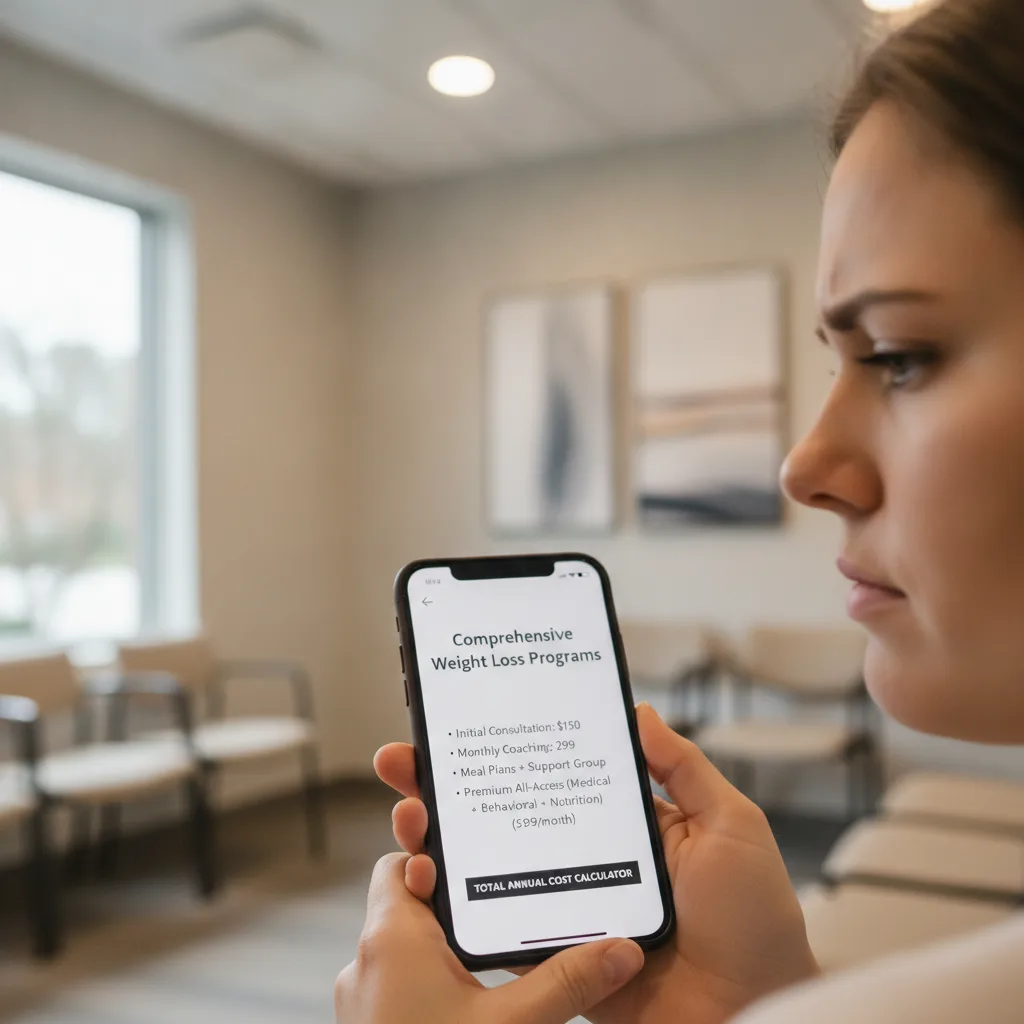
The Hidden-Fee Trap That Kills Patient Trust Before the First Injection
At least one nationally advertised telehealth GLP-1 platform promotes a $99 per month medication price while charging a $150 per month membership fee on top, producing a $297 true monthly cost and a $2,376 annual gap the patient never saw in the headline number. Clinics that publish their all-in price — including labs, consultation, and follow-up fees — do not compete on this dimension. They win it by default, because the alternative is a patient who books a consultation, discovers the real number, and leaves a one-star review about bait-and-switch pricing.
The $69–$1,349 per month spread in GLP-1 weight loss medication pricing is not a liability to hide behind a call-for-pricing button. It is the most useful piece of information a cost-sensitive patient can find, and the clinic that publishes it clearly — with every tier, its real all-in cost, the insurance coverage gaps laid out plainly, and the patient assistance programs named — earns the consultation that every competitor behind a pricing wall loses. Publish the compounded floor. Explain the NovoCare and LillyDirect programs. Name the 8.7% ACA coverage rate. Show the 40–50% appeal overturn rate. Patients who find that page arrive pre-sold, ask better questions, and stay longer. For weight loss clinic owners and healthcare marketers evaluating how to convert more GLP-1 searchers without adding budget, pricing transparency is the lever that changes the math — expressed in dollars, not strategy decks.
Frequently Asked Questions
Ready to get started? Contact Geek Powered Studios today.