
New dental practices should run Google Ads and Local Service Ads at 70% of their marketing budget in months 1–6 because dental SEO takes 3–6 months to produce its first patient. Established practices (year 2+) should shift toward dental SEO, which delivers a 5:1 to 20:1 ROAS after the 6–12 month investment window versus Google Ads' average 3.5x. The real answer depends on practice stage: new or launching a high-margin service means PPC first; stable patient base with a converting website means SEO first. At a $12,000–$15,000 patient lifetime value, a $200 acquisition cost is a rounding error — the question is which channel scales fastest for your situation.
-
1–2 weeksGoogle Ads time-to-first dental patient
-
3–6 monthsDental SEO time-to-first competitive ranking
-
$50–$150SEO cost-per-patient at 12+ months (and falling)
-
$150–$350Google Ads cost-per-patient, steady-state
-
5:1 to 20:1Dental SEO long-term ROAS after 6–12 months
-
3.5x averageGoogle Ads ROAS for dental (WordStream 2026)
-
$37.93 CPC"Dental implants near me" Google Ads cost-per-click
-
$12,000–$15,000Average dental patient lifetime value over 8–10 years
The best dentist marketing strategy in 2026 is not a channel — it is a decision based on where your practice stands right now. New dental practice with zero organic presence? Google Ads and Local Service Ads fill chairs in two weeks while SEO builds in the background. Established practice with 500+ active patients and a Google Business Profile that already has reviews? Dental SEO at $1,500–$3,000 per month compounds into 5:1 to 20:1 ROAS and cuts cost-per-patient to $50–$150 — numbers that paid advertising cannot match over a 12-month horizon. The critical variable most dental marketing agencies ignore: the website is the multiplier for both channels, and a 2%-converting site wastes every dollar of both SEO and ad spend before it ever reaches a patient.

Option A
Dental SEO
The compounding asset that cuts cost-per-patient over time
- Cost-per-patient falls over time: $200–$400 in months 1–6, dropping to $50–$150 at month 12 and continuing to decline as domain authority compounds.
- Owns 48.2% of dental website traffic: Organic search is the single largest source of dental patient discovery — a share paid advertising cannot replicate.
- ROAS of 5:1 to 20:1: After the 6–12 month investment window, dental SEO outpaces Google Ads' average 3.5x return on every dollar spent.
- Traffic survives a budget pause: Rankings and content compound even if you slow spend — unlike PPC, which stops producing patients the day the budget runs out.
Option B
Dental PPC
The speed dial for new patients when you need them now
- First patient in 1–2 weeks: Google Ads campaigns go live immediately; emergency dental keywords convert at 25–35% with 90% of those patients booking within 24 hours.
- Predictable cost-per-patient: $150–$350 steady-state for general dentistry; $25–$50 per lead through Google Local Service Ads with a Google Guaranteed badge.
- Precision targeting by service: Launch a dental implants campaign today and appear for '$37.93-per-click' terms tomorrow — no waiting for organic authority to build.
- Scalable to practice capacity: Increase ad spend when chairs are open, pull back when the schedule fills — a level of control dental SEO simply cannot offer.
How Dental SEO Builds a Compounding Patient Acquisition Asset
Dental SEO works across three interconnected layers: local SEO for the Google Local Pack, service-page content for organic rankings, and AI search visibility so tools like ChatGPT, Perplexity, and Google's AI Overviews cite your practice when potential patients ask questions. Google Business Profile signals alone account for 32% of Local Pack ranking weight — the single largest factor in local search. Practices with 30–50 optimized GBP photos get 7x more patient calls than average listings, with zero additional ad spend.
On the content side, dental SEO means building pages that rank for high-intent terms like 'dental implants Austin' or 'cosmetic dentist near me' and answering the questions patients search before they call. SEO-optimized content generates 3x more patient leads than paid advertising over a 12-month horizon, and those patients accept treatment plans at higher rates because they arrived through an educational, trust-building path rather than an ad interrupt. The best dental marketing strategy treats this content as a permanent asset, not a campaign.
AI search visibility is now the third layer of dental SEO that most dental marketing agencies are not yet building. As of 2026, ChatGPT and Perplexity surface dental practice recommendations to users who ask questions like 'who is the best dentist in Austin for implants.' AI search optimization (sometimes called GEO — generative engine optimization) requires structured content, consistent NAP data, and strong online reviews on platforms like Google and Yelp — all of which overlap with traditional local SEO expertise. Practices that invest in AI SEO now build a defensible position before competitors catch up.
The cost math is simple. A dental SEO retainer at $2,000 per month costs $24,000 in year one. If that retainer generates 120 new patients at a $50–$150 cost-per-patient in year two, the ROAS reaches 10:1 at the midpoint. At a $12,000–$15,000 patient lifetime value, each of those patients represents $1.44M to $1.8M in production over 8–10 years. Dental SEO is not a marketing expense — it is patient acquisition infrastructure.
How Dental PPC Fills Chairs Fast With Google Ads and Local Service Ads
Dental PPC operates on two main platforms in 2026: traditional Google Ads and Google Local Service Ads. Google Ads places your practice in the top paid positions for keywords like 'emergency dentist near me' or 'dental implants Houston.' CPCs have risen 10–15% in 2026 driven by DSO competition — 'dental implants near me' now costs $37.93 per click in live DataForSEO data, and the average dental CPC sits at $7.85–$8.00 for all keywords. That sounds expensive until you price it against a $12,000 implant case or a $15,000 LTV general dentistry patient.
Google Local Service Ads are the underused hybrid that most dental practices ignore. LSAs charge per verified patient lead at $25–$50 each, not per click, and they carry a Google Guaranteed badge that builds the same trust as organic rankings or strong online reviews. For new dental practices without established search visibility, LSAs deliver qualified new patient appointments at a fraction of traditional Google Ads cost. Run LSAs and Google Ads simultaneously to dominate the top of the search results page across both paid formats.
Dental PPC also extends to Meta Ads — Facebook and Instagram paid advertising — which works differently than search. Meta ads target demographics and interests, not active search intent, making them better for awareness campaigns, Invisalign promotions, and cosmetic dentistry services where patients need education before they search. Meta dental CPCs average $9.78 with $50–$77 cost per lead. Social media ads on Meta complement Google Ads but do not replace them for high-intent, immediate-need searches like emergency dentist or same-day dental appointments.
The paid advertising model does one thing SEO cannot: it lets a dental practice control the exact day new patient volume starts. Launch a campaign on a Monday, track every inbound call through CallRail, and have patient appointments booked by Wednesday. That speed is the entire value proposition of dental PPC — and why new practices and service launches should run it at 70% of their marketing spend before organic signals have time to compound.
Dental SEO vs. Dental PPC: The 8-Dimension Comparison
| Dimension | Dental SEO | Dental PPC |
|---|---|---|
| Time to First Patient | 3–6 months for competitive terms; longer for implants/cosmetic | 1–2 weeks after campaign launch; emergency keywords convert same-day |
| Cost Per New Patient | $50–$150 at 12+ months and declining over time | $150–$350 steady-state; implant/cosmetic campaigns reach $150–$400 |
| Monthly Investment | $1,500–$3,000/month retainer for single-location practice | $2,000–$5,000 ad spend + $500–$1,000 management fee per month |
| Long-Term ROAS | 5:1 to 20:1 after initial 6–12 month investment window | Average 3.5x; well-structured campaigns return 5.5x (WordStream 2026) |
| Traffic Ownership | Owned asset — rankings and content compound even if you pause spend | Rented traffic — patient leads stop the day you pause ad spend |
| Best For Practice Stage | Established practices (year 2+) building long-term search visibility | New practices (months 1–6) and high-margin service launches |
| Stops Working When? | Never fully stops; slows if you stop publishing and earning links | Immediately when budget runs out or CPCs outpace patient LTV math |
| Website Dependency | High — a 2%-converting site wastes every organic visitor | Critical — $37.93 CPC on 'dental implants near me' demands 8%+ CVR to be profitable |
The Website Is the Multiplier for Both Channels — and Most Dental Practices Get This Wrong
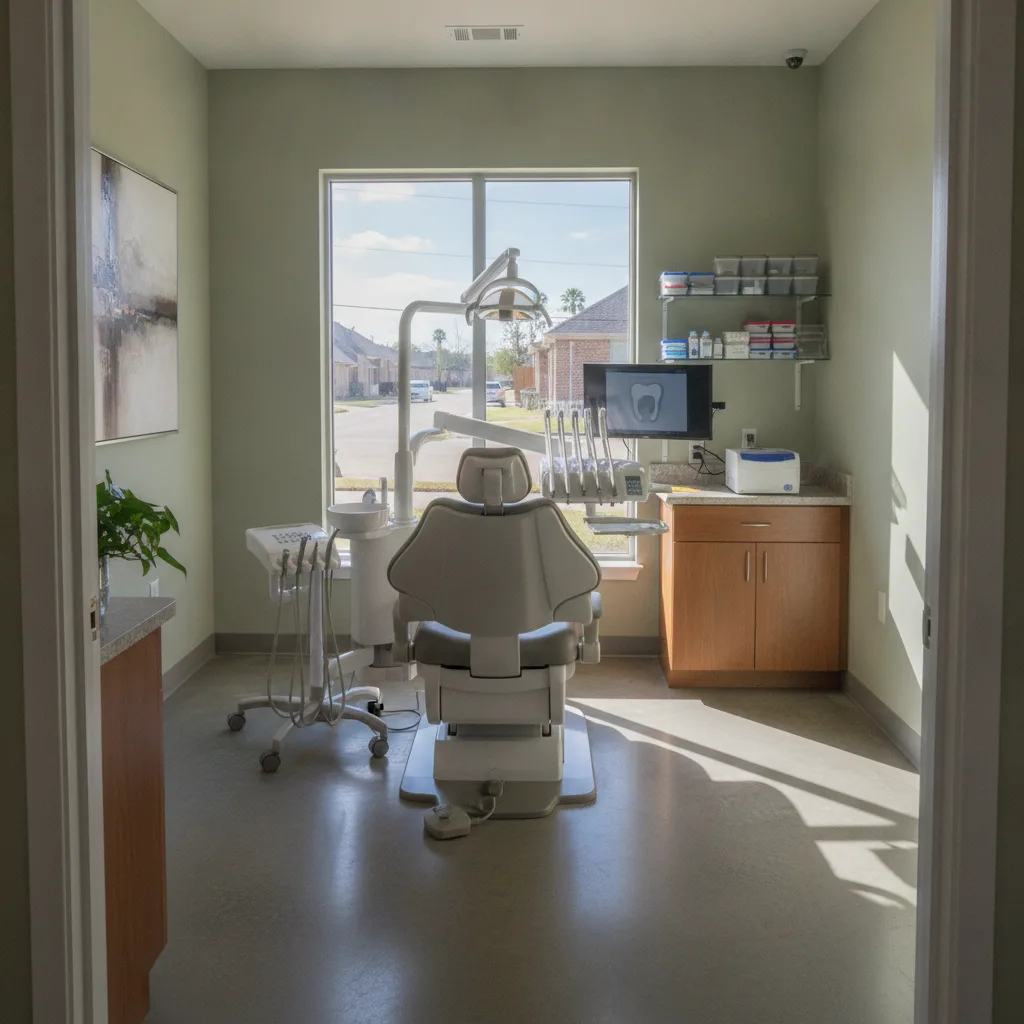
The average dental website converts 3–5% of visitors into patient leads. Top-performing dental websites hit 8–15%. That gap is the real reason dental marketing strategies fail — not the channel choice. If your site converts at 2% and you spend $5,000 per month on Google Ads at $8.00 per click, you pay roughly $400 per lead. Fix the website to 5% and that same ad spend drops cost per lead to $160. Moving from 2% to 5% at 500 monthly visitors adds $216,000 in annual revenue before you spend another dollar on SEO or paid ads. Every dental marketing service — SEO, PPC, Google Business Profile, social media — flows through your website first. At Geek Powered Studios, every marketing retainer includes a free custom website ($8,000–$15,000 value) built to convert, because the math does not work any other way.
Choose Dental SEO First If Your Practice Is Already Seeing Patients
Dental SEO is the right first channel for established practices that have a working Google Business Profile, a patient base generating referrals, and a website that converts above 3%. The compounding math beats paid advertising decisively over any 24-month horizon.
- Organic search drives 48.2% of all dental website traffic — dental SEO captures the biggest existing slice of patient discovery that no paid advertising channel can replicate.
- Mature dental SEO drops cost-per-patient to $50–$150 and keeps falling, versus PPC's flat $150–$350 regardless of how long you run campaigns.
- SEO-optimized content generates 3x more patient leads than paid ads over a 12-month horizon, and those patients accept treatment plans at higher rates.
- Google Business Profile optimization — the foundation of local SEO — accounts for 32% of Local Pack ranking weight, a ranking factor paid ads cannot influence.
- Long-term dental SEO ROAS of 5:1 to 20:1 outpaces Google Ads' 3.5x average once domain authority compounds past the 12-month mark.
- At a $12,000–$15,000 patient LTV, the 6–12 month SEO ramp is a rounding error — you are building an owned asset, not renting traffic from Google.
Established dental practices spending 4–12% of gross revenue on marketing see measurably higher year-over-year practice growth. For year-two-and-beyond practices, that spend belongs in dental SEO first — with PPC as a secondary layer for high-margin service launches and schedule gaps.
Choose Dental PPC First If You Opened Recently or Need Chairs Filled Now
New dental practices have zero domain authority, zero GBP reviews, and zero organic rankings. Dental PPC is the only digital marketing service that puts your practice in front of 1.2 million monthly 'dentist near me' searches on day one.
- New dental practices should run PPC-heavy (70% of marketing budget) in months 1–6 because organic and Google Business Profile signals take 6+ months to produce reliable new patient appointments.
- Google Ads gets your first patient in 1–2 weeks — dental SEO cannot match that timeline under any circumstances, regardless of agency expertise or budget.
- Emergency dental searches convert at 25–35% and 90% of emergency patients book within 24 hours, making paid search the only channel fast enough to capture this high-value segment.
- Google Local Service Ads deliver patient leads at $25–$50 each with a Google Guaranteed badge — a strong hybrid that costs less than traditional Google Ads while building trust similar to strong online reviews.
- Launching a new high-margin service like dental implants or Invisalign needs immediate search visibility that only paid advertising can guarantee on day one.
- 65% of high-intent dental searches result in ad clicks — if you are not in paid positions while SEO ramps, competitors capture every one of those patient inquiries.
New dental practices often invest 15–20% of projected revenue in year-one marketing spend. That budget should go 70% to PPC, 15% to dental SEO infrastructure, and 15% to Google Business Profile and reputation management. Use CallRail to track every inbound call from day one so the data tells you when organic is ready to carry more of the load.
When Running Both Dental SEO and PPC Is the Best Marketing Strategy
Practices past year two should shift to a 40% SEO / 30% PPC / 30% Google Business Profile and reputation management split. This integrated dental marketing strategy is where high-growth practices separate from stagnant ones. Paid ads fill short-term gaps and target high-margin services like implants and cosmetic veneers. Dental SEO compounds authority and drives the 48.2% organic traffic share. Google Business Profile optimization captures the 32% of Local Pack ranking weight that determines whether patients call you or the practice next door.
Running both channels simultaneously also reinforces digital presence and builds trust. When potential patients see your practice in paid positions, the Local Pack, and organic results at the same time, credibility compounds. That social proof effect reduces the patient's hesitation before booking — which is why integrated dental marketing strategies consistently outperform single-channel approaches in practices with the budget to run both.
Social media ads on platforms like Facebook and Instagram add a third layer for practices targeting specific demographics. Meta Ads average $9.78 CPC for dental services with $50–$77 cost per lead — higher than Local Service Ads but useful for cosmetic and elective procedure campaigns that require awareness before patients search. A strong social media presence also feeds patient referrals and appointment reminders through retargeting audiences built from website visitors. The best dental marketing company you can work with is one that integrates all three layers — search, social, and local — rather than selling individual channel services in isolation.
Budget Guide by Practice Stage: Where Your First Marketing Dollar Goes

New Practice or New Service Launch
Start With PPC: The Best Dentist Marketing Strategy When Speed Is the Priority
A brand-new dental practice has zero domain authority, zero Google Business Profile reviews, and zero organic rankings. Dental PPC is the only channel that puts you in front of 1.2 million monthly 'dentist near me' searches on day one. Run Google Ads plus Local Service Ads at 70% of your marketing budget in months 1–6. Target emergency dentist keywords (25–35% conversion rate) alongside core general dentistry terms, and use patient revenue from those early cases to fund the dental SEO buildout starting in month 3.
The same logic applies when an established practice adds a high-margin service like dental implants or Invisalign. Organic rankings for 'dental implants near me' take 6–12 months to climb. Paid ads at $12–$37.93 per click sound expensive until you price it against an implant case worth $8,000–$40,000 in production. One booked implant patient from a $400 paid advertising campaign returns 20–100x. Start with Google Ads and Local Service Ads, track every call through CallRail, and let the data tell you when organic is ready to carry the load. Use Google Analytics alongside CallRail to measure patient appointments, not just clicks.
Established Practice Ready to Scale New Patients
Run Both: The Best Dental Marketing Strategy for Practices Doing $2M+ in Revenue
Practices past year two should shift to a 40% SEO / 30% PPC / 30% Google Business Profile and reputation management split. This is where the best dentist marketing strategies separate high-growth practices from stagnant ones. Paid ads fill short-term gaps and target high-margin dental services; dental SEO compounds authority and drives the 48.2% organic traffic share that no paid channel can replicate; Google Business Profile optimization captures the 32% of Local Pack ranking weight that determines whether potential patients call you or the practice next door.
GPS client Lakeway Cosmetic Dentistry runs exactly this integrated model. Results over a 5-year partnership: +105% ads leads year over year, +80% organic leads year over year, and a +133% increase in conversion rate. That last number tells the real story. The custom website became the multiplier for both channels. Moving from a 2% to a 5% conversion rate at 500 monthly visitors adds $216,000 in annual revenue — before spending another dollar on ads or dental SEO. The best dental marketing agency treats the website as the foundation of the entire patient acquisition system, not an afterthought. Practice management software integration that connects new patient appointments back to marketing source data makes the ROI transparent and provable.
Satisfied patients and online reputation management amplify both channels. As of 2026, 77% of new dental patients check online reviews before choosing a provider, and 83% of Americans rely specifically on Google reviews. Patient testimonials on your Google Business Profile directly influence Local Pack rankings and act as social proof that converts ad clicks and organic visitors into booked patient appointments. Reputation management is not a separate marketing service — it is the trust infrastructure that makes every other channel perform better.
Established Practice With Stable Patient Base
Go SEO-First: The Best Dental Marketing Strategy for Long-Term Practice Growth
An established dental practice with 500+ active patients, a functional Google Business Profile, and a website converting above 3% should put its first new marketing dollar into dental SEO. The math: a single dental SEO retainer at $2,000 per month compounds into 5:1 to 20:1 ROAS over 24 months. Google Ads at the same spend returns 3.5x on average and resets to zero if you pause. For a dental practice where each new patient is worth $12,000–$15,000 over 8–10 years, the compounding model wins decisively for long term growth.
Dental SEO for established practices means three things working together: local SEO to dominate the Google Local Pack (GBP signals account for 32% of ranking weight), service-page content that ranks for terms like 'dental implants Austin' or 'cosmetic dentist Houston,' and AI search visibility so ChatGPT, Perplexity, and Google AI Overviews cite your practice when patients ask oral health tips questions or research dental services. Local SEO ensures your dental office appears when and where patients search — and local SEO expertise that combines GBP optimization, consistent citation building, and AI search optimization is what separates high-performing dental practices from average ones.
Dental practices spending 4–7% of collections on digital marketing services in years two through five consistently outperform those relying on patient referrals and word of mouth alone. Established practices also benefit from proven strategies like blogging about oral health tips, healthcare marketing content that ranks for informational queries, and appointment reminders and email marketing campaigns that drive patient retention alongside new patient acquisition. All of this compounds — which is exactly what makes dental SEO the right first channel for established practices with a stable foundation.
Lakeway Cosmetic Dentistry came to Geek Powered Studios with a marketing foundation that was not generating enough qualified new patients. GPS rebuilt their custom website, integrated dental SEO with Google Ads management, and optimized their Google Business Profile with consistent photo uploads, review generation, and Google Business Profile optimization across every patient touchpoint. The outcome: +80% organic leads, +105% ads leads, and a +133% jump in conversion rate — all within a 5-year partnership built on transparent reporting and month-to-month accountability. No long-term contracts. No black-box reporting. Every result traced back to a specific dental marketing strategy and measurable patient acquisition activity.
Every new GPS client gets a free custom website included with their retainer — an $8,000–$15,000 asset at no additional cost — because we are ROI-obsessed enough to know the math does not work when a 2%-converting dental website drains every dollar of ad spend and SEO investment before it reaches a patient. Custom websites built for dental practices convert at 8–15%, not the 3–5% industry average. That difference is the foundation of every marketing strategy we run.
Geek Powered Studios works with one dental practice per market. If your city is still open, your competitors are not yet working with us. Book your free strategy session and find out exactly where your first dental marketing dollar should go — with 2026 benchmark data, a channel recommendation based on your practice stage, and a clear plan for what the first 90 days look like.
Frequently Asked Questions
Ready to get started? Contact Geek Powered Studios today.