
Home restoration email marketing works best as a three-track system running simultaneously: Track 1 nurtures insurance adjusters and agents with IICRC-forward documentation content, Track 2 builds referral relationships with trade partners like plumbers and roofers, and Track 3 retains past homeowner clients with seasonal prevention content and review requests. Built in GoHighLevel, ActiveCampaign, or Mailchimp, all three tracks automate after 6–8 hours of setup. Email returns $36–$44 per dollar spent across the home services industry, and segmented lists generate 101% more click-throughs than unsegmented blasts. The three-track structure targets each audience's actual problems instead of sending one generic message to everyone — which is why 73% of restoration companies lose their past customers within 90 days.
-
$36–$44Email ROI per dollar spent across home services
-
73%Past restoration customers lost with zero post-job follow-up
-
6–8 hoursTotal build time; all three tracks run automatically after
-
+27%Conversion uplift from 4–7 email touches vs. fewer attempts
-
$12,514Average water damage claim value — what Track 1 targets
-
34.76%Home and maintenance email open rate benchmark, 2026
Home restoration email marketing generates $36–$44 for every dollar spent — the highest ROI of any marketing channel in the home services industry — yet most restoration companies stop following up after one or two sends. The gap between what email can do and what most restoration businesses actually do comes down to one structural mistake: treating email as a broadcast tool instead of a three-track nurture engine. This guide walks you through building Track 1 (insurance adjusters and agents), Track 2 (trade referral partners), and Track 3 (past homeowner clients) as separate, automated sequences that run simultaneously. Total build time is 6–8 hours. After setup, the system runs without manual sends and targets each audience with content that matches their actual situation — not one generic message blasted to everyone on your list.
- A CRM or email automation platform — GoHighLevel ($97–$297/mo), ActiveCampaign ($49–$149/mo), or Mailchimp (Free–$20/mo) — with at least one active account and a verified sending domain (SPF and DKIM records configured).
- An existing contact list of at least 50 past customers, adjuster contacts, or trade partners to seed Track 1 and Track 2. Export from Xactimate, Restoration Manager, or XactAnalysis if you use job management software.
- IICRC certification documentation ready to reference in adjuster emails. Your certification number and service categories (water damage, mold remediation, fire/smoke) go in Email 1 of Track 1.
- Basic familiarity with email sequences or drip campaigns — knowing what a delay and a trigger mean is enough. You do not need to know how to write code.
- A completed job intake process that captures homeowner email at the time of service, so Track 3 enrollment is automatic rather than manual.
- CAN-SPAM compliance basics in place: a physical mailing address in every email footer, a one-click unsubscribe link, and no deceptive subject lines.
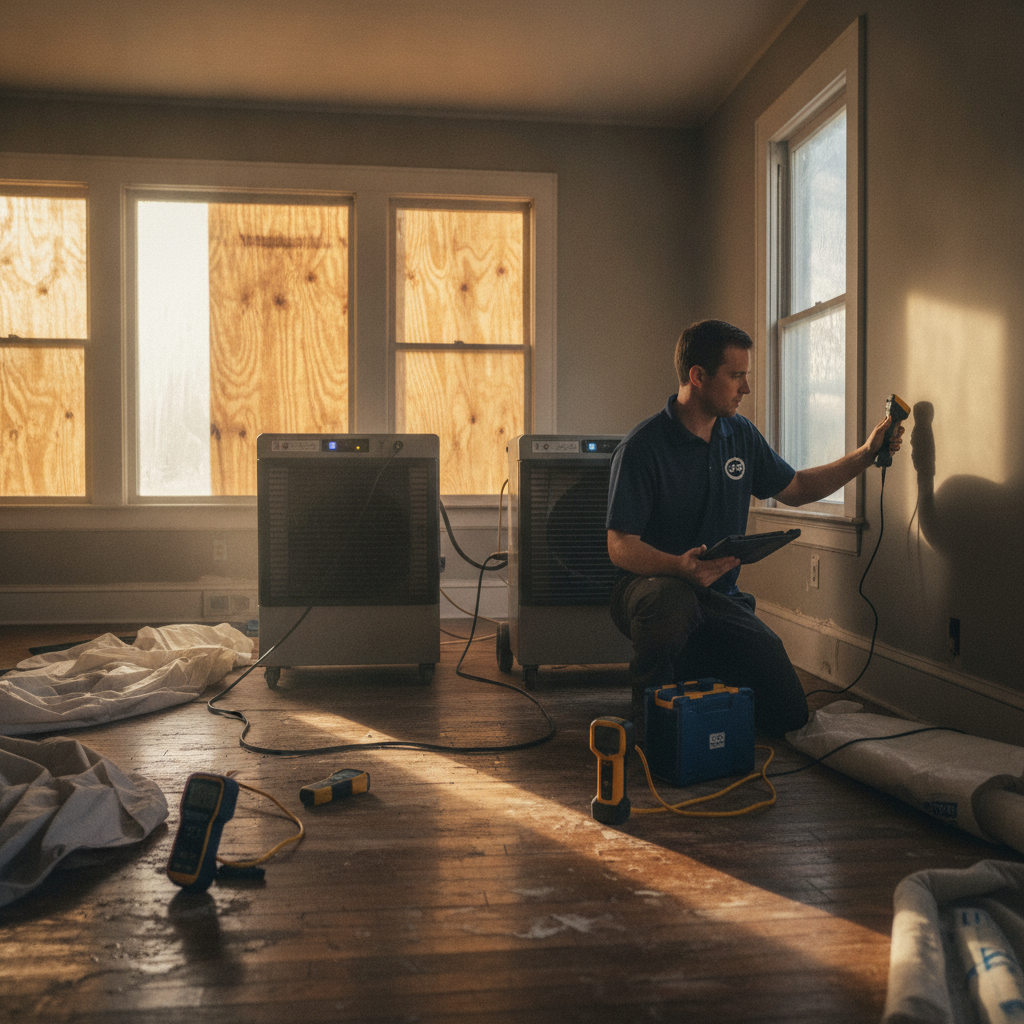
Segment Your Contact List Into Five Distinct Buckets
Restoration companies that segment their email lists see 14.31% more opens and 101% more click-throughs than companies that blast one message to everyone. That gap exists because an insurance adjuster and a past homeowner client have completely different problems — and sending the same email to both destroys the relevance that drives engagement. Before you write a single subject line, split your contacts into five groups: emergency leads (people mid-crisis who called but haven't booked), insurance contacts (adjusters, agents, claims managers), property managers, past homeowner customers, and trade referral partners (plumbers, roofers, HVAC techs).
This guide focuses on the three tracks that drive the most revenue for a restoration business: adjusters and agents (Track 1), trade partners (Track 2), and past homeowner clients (Track 3). Insurance companies fund roughly 59% of all restoration projects as of 2026, and the average water damage claim sits at $12,514 — so Track 1 alone can reshape your pipeline. Over 65% of new restoration jobs come through referrals, yet most restoration businesses leave referral generation entirely to chance. Track 2 fixes that. Track 3 addresses the 73% of past customers who receive zero post-job follow-up and never become repeat buyers or referral sources.
To build each bucket, pull your contacts from three sources: your job management software export, your CRM if you have one, and your phone — adjuster business cards and trade partner contacts that never made it into a system. Tag each contact by type before loading them into your email platform. A contact with two relevant tags (say, an adjuster who has also been a past water damage customer) goes into the higher-value bucket, which is Track 1. This tag step is the single most time-consuming part of the process and the most important: contacts loaded without type tags default to a general list and receive the wrong sequence.
Spend 30 minutes tagging contacts by type before import. It saves hours of manual cleanup later, keeps your unsubscribe rate low, and ensures each track reaches the right audience from day one.
Build Track 1: The Insurance Adjuster and Agent Nurture Sequence
Insurance adjusters refer restoration companies not for fees but to protect their client relationships — a J.D. Power 2024 study found that claims handling satisfaction is the single strongest predictor of policy renewal. That means your Track 1 emails should never pitch for work directly. Instead, they should make the adjuster's job easier: faster documentation, cleaner IICRC moisture logs, fewer callback cycles, and clear scope-of-work summaries they can drop straight into a claim file. Position your restoration business as the company adjusters send homeowner questions to, not the one chasing active claims.
Structure Track 1 as a 6-email sequence over 90 days. Email 1 (Day 1) introduces your company with one concrete proof point — your average claim-to-close documentation turnaround, your IICRC certifications, or your geographic response radius. Keep it under 100 words. Email 2 (Day 7) sends a one-page PDF showing your moisture documentation format so the adjuster sees exactly what they will receive on every job. Email 3 (Day 21) shares a brief success story: a claim you helped close faster than average, with a dollar amount or day count. Emails 4 through 6 (Days 45, 60, and 90) maintain the relationship with a mix of seasonal loss-prevention content and a quarterly check-in that asks one simple question rather than asking for a referral.
Cold email reply rates for this audience run 5–12% when lists are tightly segmented — far above what most restoration companies expect. Keep every message between 50–100 words. Subject lines that include the adjuster's name or their agency name increase open rates by up to 26%. Use GoHighLevel's Email Sequences feature to thread all follow-ups in a single conversation and set it to stop automatically when the adjuster replies, so you never send a follow-up to someone who already responded. Nurtured leads in this track produce purchases 47% larger than non-nurtured contacts — at an average water damage claim value of $12,514, that math compounds fast.
The most durable adjuster relationships come from positioning as the company they send homeowner questions to, not the one chasing active claims. Frame every Track 1 email around making their workflow easier, not filling your calendar.
Build Track 2: The Trade Partner Referral Sequence
Plumbers, roofers, and HVAC techs are first on scene for the property damage events that turn into restoration jobs — a burst pipe call for a plumber is a water damage referral for you, if that plumber knows your name and trusts your process. Track 2 treats these trade partners as the most direct upstream referral source your restoration business has. The email strategy reflects that: it's collaborative, not salesy. Home improvement contractors who receive a peer-level conversation from a restoration company respond at far higher rates than those who receive vendor pitches.
Build Track 2 as a 4-email sequence over 60 days. Email 1 introduces the mutual benefit plainly: when a trade partner runs into a loss that's outside their scope, you handle the mitigation, they stay the homeowner's trusted contact, and you send referrals back for any related work the restoration uncovers. Email 2 (Day 14) sends a one-page referral process card showing exactly how to hand off a job — your 24/7 emergency line, average response time, and what the homeowner will experience in the first two hours. Email 3 (Day 30) shares a brief success story from a past trade partner referral. Email 4 (Day 60) is a seasonal check-in: heading into storm season, what to tell homeowners when you spot early signs of hidden water damage.
After the initial 4-email sequence, move active trade partners to a quarterly check-in cadence triggered by your CRM — enough to stay top of mind without the 'just checking in' annoyance that kills professional relationships. Subject lines that spark curiosity without being clickbait outperform promotional subject lines for this audience. Try: 'What to tell homeowners when you find water behind the drywall' rather than 'Partner with Us for Restoration Referrals.' Successful referrals from trade partners compound over time: a single plumber who refers two water damage jobs per quarter adds roughly $75,000 in annual revenue at the $12,514 average claim value.
The fastest way to activate a trade partner referral relationship is to send them a referral first. If a homeowner mentions needing a plumber during a restoration job, referring your trade partner contact before they even ask creates an obligation that no email sequence can replicate on its own.

Build Track 3: The Past Homeowner Retention Sequence
Repeat customers in the restoration sector spend 67% more than first-time buyers, and companies get 65% of revenue from repeat customers — yet 73% of past restoration customers receive zero post-job follow-up. Track 3 is the simplest sequence to build and the easiest revenue your restoration business is currently leaving on the table. The goal is not to sell another restoration job. The goal is to stay visible so that when the next loss event happens — or when a neighbor asks for a recommendation — your company's name is the one that surfaces first.
Start Track 3 with a 5-email post-job sequence. Email 1 goes out 24 hours after job completion: a thank-you with the final documentation summary attached and a one-click link to leave a Google review. Email 2 (Day 7) sends a brief care guide specific to the type of damage repaired — for water damage, it covers signs of secondary moisture issues to watch for in the first 30 days. Email 3 (Day 30) asks a single satisfaction question and includes a referral ask: if a neighbor, friend, or family member runs into a loss situation, a personal introduction is welcome. Email 4 (Day 90) delivers a seasonal prevention checklist appropriate to your geography. Email 5 (Month 6) is a one-year-out anniversary check-in that offers a free visual inspection.
After the post-job sequence ends, move past homeowners to an ongoing monthly newsletter with two content types: seasonal prevention tips and one success story with before-and-after framing. Mobile-friendly email design matters here — over 60% of homeowners open email on smartphones, so short paragraphs, large call-to-action buttons, and no image-heavy headers are non-negotiable for this audience. Home and maintenance emails averaged a 34.76% open rate as of 2026; clear calls to action and mobile-optimized email format are the two variables that move click-through rates above the 1.57% category benchmark.
Most restoration companies never make it past the 30-day follow-up. A single email at month 6 offering a free visual inspection reactivates satisfied clients, generates Google reviews from people who forgot to leave one, and positions you as their restoration company before the next loss event happens.
Write Subject Lines That Get Opened by Skeptical Recipients
A personalized subject line increases open rates by up to 26%, and home and maintenance emails averaged a 34.76% open rate in 2026 — but that benchmark assumes your subject lines are working. For restoration email marketing campaigns, the highest-performing subject lines share three traits: they are specific (a number, a claim type, or a geography), they address the recipient's actual workload rather than your services, and they avoid exclamation points and promotional language that trigger spam filters on digital platforms.
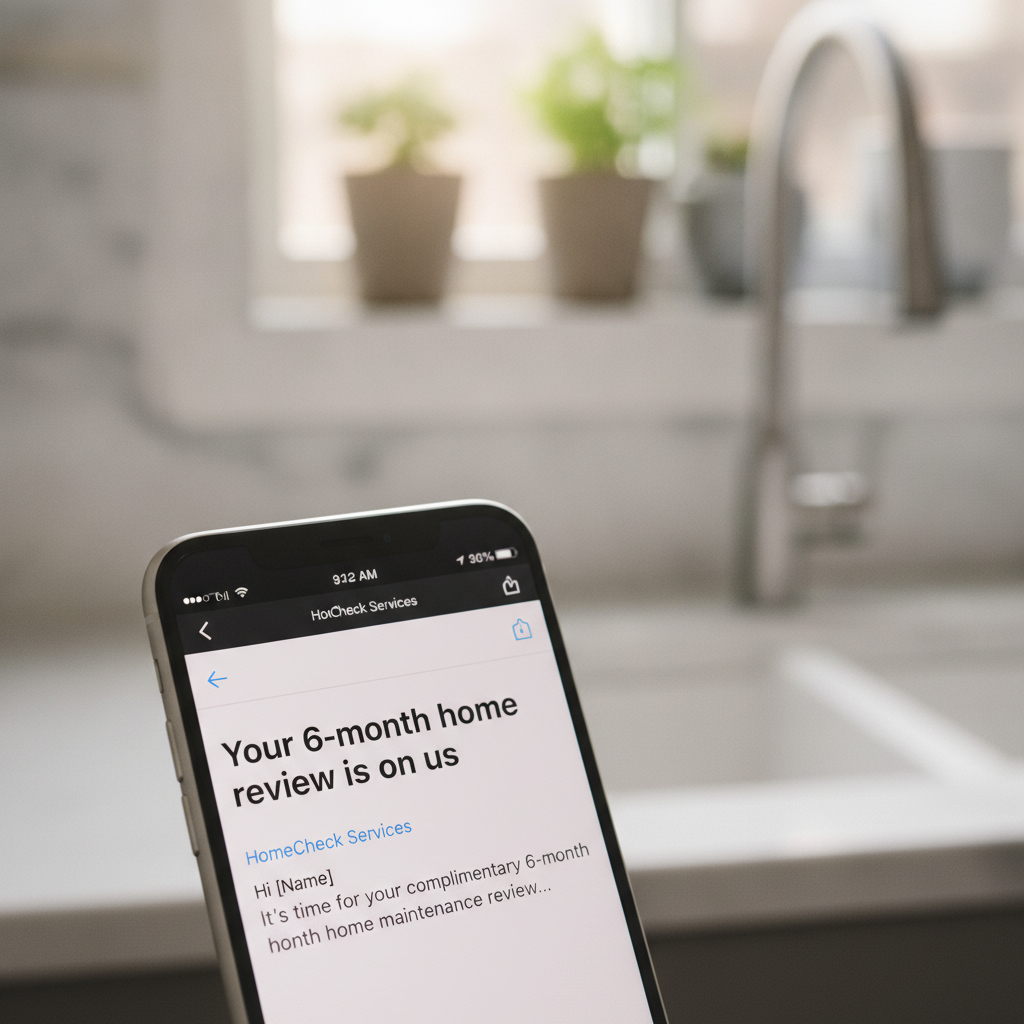
For Track 1 adjuster emails, subject lines that perform include: 'Moisture documentation ready in 24 hours — [Adjuster First Name]' or 'Water damage scope completed on [Street Name] claim — what to expect.' For Track 2 trade partner emails: 'What to tell homeowners when you find wet insulation' or 'Q4 freeze season: the 3 calls that turn into restoration jobs.' For Track 3 homeowner emails: 'Your water damage repair was 90 days ago — here's what to check now' or '[First Name], your 6-month home review is on us.' Each subject line leads with information the recipient wants, not a pitch about your restoration services.
Test two subject lines per sequence using A/B splits available in GoHighLevel, ActiveCampaign, and Mailchimp. Run each test for at least 200 sends before declaring a winner. Optimize for open rate first; click-through rates matter more once opens are above 30%. For cold B2B outreach to adjusters, open rates above 40% are achievable with hyper-personalized subject lines that reference the adjuster's specific region or a recent local weather event. The one rule that beats all others: if the subject line could have been written without knowing anything specific about the recipient's situation, rewrite it.
If the subject line could have been written without knowing anything about the recipient's job, rewrite it. The more specific it is to their claim type, their geography, or their season — the higher it opens.
Automate All Three Tracks in GoHighLevel and Set Your KPIs
All three tracks should run without manual sends once they're built. In GoHighLevel, use the Email Sequences feature (launched June 2026) for Track 1 and Track 2 B2B outreach — it keeps all follow-ups in a single threaded conversation, applies configurable delays between sends, and stops the sequence automatically when a contact replies. Use Workflows for Track 3 homeowner sequences, triggered by a pipeline stage change (job status equals Completed) so every past customer enters the sequence without anyone on your team remembering to add them. This is how marketing automation cuts operational marketing costs by 55% for restoration operators.
Set four KPIs to monitor monthly: open rate (target 30% or higher for Track 3, 25% or higher for Track 1 cold outreach), click-to-call rate (any click on your emergency phone number link inside an email), form submission rate from email-sourced website traffic, and job booking rate from email-attributed contacts. Check which emails in each sequence have open rates below 20% and rewrite the subject line first before assuming the content is broken. An unsubscribe rate above 0.5% on any single send is a signal to slow your cadence or tighten your segmentation — not to write more compelling content.
Leads that receive 4–7 email touches convert 27% better than those receiving fewer attempts, and nurtured leads produce purchases 47% larger than non-nurtured contacts. For a restoration business where the average water damage claim is $12,514, a single additional job per month from this system pays for your entire email marketing stack with margin to spare. Email returns $36–$44 for every dollar spent across the home services industry. Use CallRail to track which email campaigns are driving inbound calls, closing the attribution loop between Track 1 and Track 2 outreach and actual job bookings — because a data-driven approach to marketing is what separates restoration companies that grow from those that plateau.
Adjuster contact lists turn over faster than homeowner lists. A quarterly scrub of Track 1 — removing bounced addresses and updating contacts who've changed agencies — keeps your sender reputation clean and your reply rates inside the 5–12% benchmark range.
The Biggest Mistake Restoration Companies Make With Email
Sending one email after a job closes and calling it follow-up is not a marketing strategy — it is a missed opportunity on repeat. Seventy-five percent of restoration leads are not ready to act immediately, and most past customers forget your company name within 90 days with no post-job contact. The three-track system in this guide fixes both problems. But it only works if all three tracks run simultaneously. Restoration companies that build only the homeowner sequence miss the adjuster relationships that fund 59% of all projects. Companies that build only the adjuster sequence miss the trade partners who control the referral before the homeowner even calls. Build all three. Set them to run automatically. Then let the data tell you which sequence to optimize first.
Ready to get started? Contact Geek Powered Studios today.