
Basement waterproofing digital marketing and foundation repair marketing need separate campaigns, separate landing pages, and separate CRM pipelines. Waterproofing buyers are fear-driven and hire within hours; foundation repair buyers research for 4 to 16 weeks before signing. Combining them into one Google Ads campaign forces you to pay foundation repair's $15 to $45 cost-per-click on buyers who should cost $5 to $7, while simultaneously underbidding on high-ticket structural keywords. As of 2026, LSA runs $60 to $75 per lead for both services in standard markets. The fix is four separated assets: a dedicated waterproofing landing page, a dedicated foundation repair landing page, separate Google LSA service categories, and separate CallRail tracking numbers routing into separate CRM pipelines (Jobber for waterproofing, HubSpot for foundation repair).
-
$5–$7/clickWaterproofing PPC cost-per-click, standard markets
-
$15–$45/clickFoundation repair PPC CPC in competitive metros
-
$60–$75/leadGoogle LSA cost-per-lead for both services (2026)
-
5–15% vs. 1–3%Dedicated landing page vs. homepage conversion rate
-
4–16 weeksFoundation repair homeowner decision window
-
Hours to daysWaterproofing buyer decision timeline after first contact
-
10–25% of spend recoveredLSA dispute recovery rate for contractors who dispute consistently
-
$90,000 revenueFoundation repair LSA ROI on $3,000/month spend (2026 benchmark)
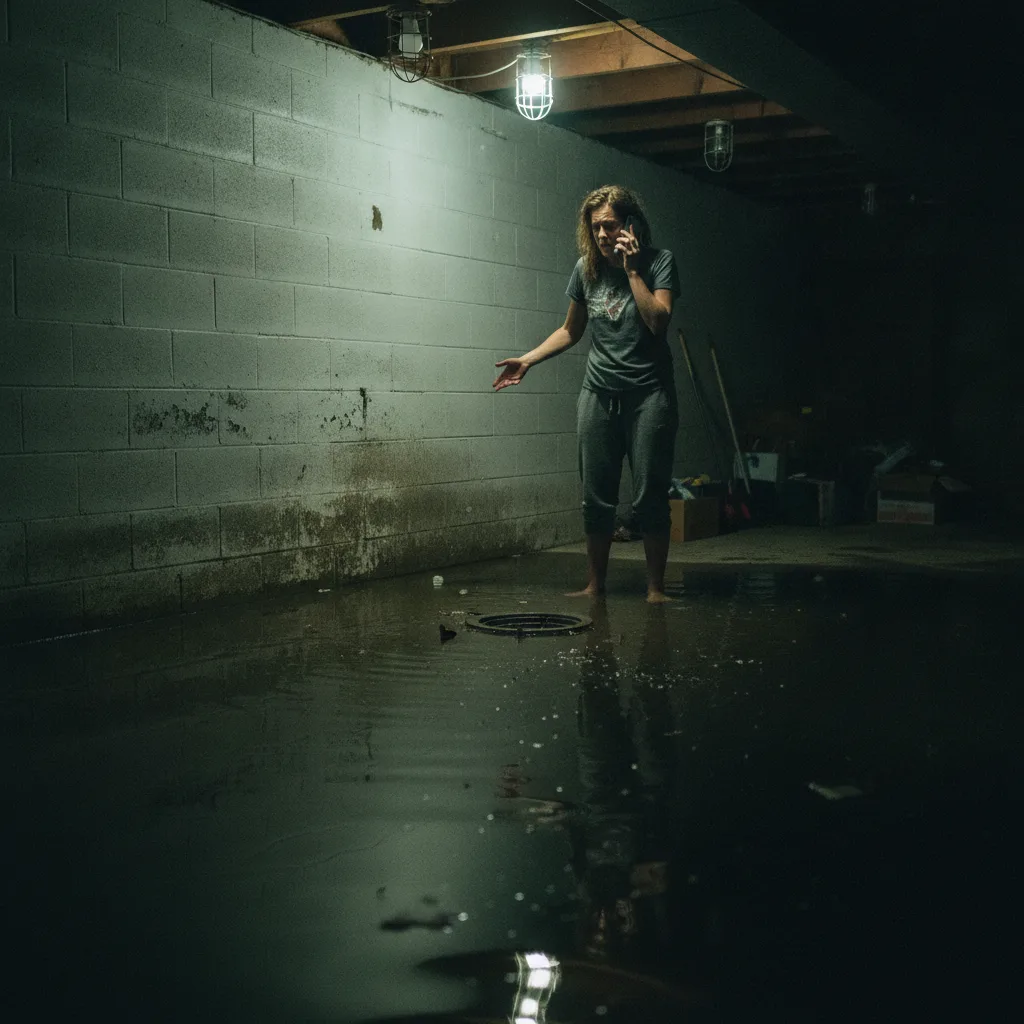
Basement waterproofing digital marketing and foundation repair marketing are not two versions of the same campaign. Waterproofing buyers have water coming through the basement wall tonight and will call whoever answers first. Foundation repair buyers spotted a diagonal crack two months ago, read three engineering forums, and will comparison-shop 2 to 4 contractors across 4 to 16 weeks before signing. Running one Google Ads campaign and pointing it at a shared homepage does not average the results for both services. It tanks both. As of 2026, the CPC gap between these services ($5 to $7 for waterproofing versus $15 to $45 for foundation repair in competitive metros) makes campaign segmentation a budget survival decision. This breakdown shows exactly what each set of digital marketing strategies requires and why the split pays for itself fast.
Option A
Waterproofing Marketing
Fear-driven, fast-close, first-responder wins
- $5–$7/click on waterproofing search terms — the lowest CPC of any structural home service
- Hours to days from first contact to booked inspection; urgency drives fast decisions
- $5,230 avg. project cost with interior drainage systems running $2,500–$8,200
- Jobber + CallRail for same-day dispatch and call attribution by service type
Option B
Foundation Repair Marketing
Research-heavy, high-ticket, nurture-to-close
- $15–$45/click on 'foundation repair' and 'house leveling' in competitive metros like Dallas and Atlanta
- 4–16 week decision window before homeowners sign; full project timeline runs 11–26 weeks
- $5,176 avg. project cost (Angi 2026) with pier-and-beam underpinning reaching $9,000–$25,000
- HubSpot + CallRail for multi-touch email nurture across the full decision cycle
How Basement Waterproofing Digital Marketing Strategies Generate More Leads Fast
Basement waterproofing marketing converts because the buyer is already sold on urgency before the ad runs. A wet basement after heavy rain is not a consideration — it is a crisis. Homeowners search for drainage solutions, sump pump installation, and wet basement repair at 9 p.m. on a Tuesday and expect a response before morning. That emotional state means the waterproofing company that answers the phone first wins the job 78% of the time, according to 2026 data tracking home services lead response speed.
The primary digital marketing effort for a waterproofing company is Google LSA under the 'Waterproofing' service category, layered with a Google Ads Search campaign tightly themed around relevant keywords like 'wet basement,' 'sump pump installation,' and 'interior drainage.' Those ad groups should never share a campaign with foundation repair terms — mixing them drags your blended CPC toward the $15 to $45 range on clicks that should cost $5 to $7. Performance Max campaigns work as a secondary volume layer once the Search campaign hits a cost-per-booked-job below $500.
A dedicated basement waterproofing landing page with a single 'Book Free Inspection' CTA converts paid traffic at 5 to 15% — versus 1 to 3% for a shared contractor homepage. That 2 to 4x lift costs nothing in ad spend. The page needs three specific proof points to convert the fear-driven buyer: the resale ROI stat (a dry basement adds $10,000 to $15,000 at resale), the home-value risk angle (unresolved water intrusion cuts home value 10 to 25%), and a visible phone number that routes through CallRail for call attribution by service type.
Google Business Profile optimization is the organic complement to paid waterproofing campaigns. A fully optimized profile with waterproofing-specific service listings, recent photos of completed interior drainage and sump pump installations, and a steady stream of 5-star reviews drives local search map pack placement, which adds organic call volume that directly reduces your paid cost-per-lead. Use Google Analytics to track which profile actions (calls, direction requests, website clicks) correlate to booked inspections so you can prioritize the right profile updates each month.
Social media marketing for a waterproofing business performs best on Facebook and Instagram as a retargeting and trust-building layer, not a primary lead channel. Potential customers who clicked a Google Ad but did not call benefit from seeing before-and-after drainage solution photos, short-form video of sump pump installations, and price-transparency posts in their social media feeds. That social media presence builds trust and keeps the waterproofing company top-of-mind during the 24 to 72 hours between first search and actual call. Social media platforms are also strong for showcasing satisfied customers through video testimonials — educational content that converts skeptical homeowners faster than any feature list.
How Foundation Repair Marketing Strategies Work the High-Ticket, Long-Cycle Sale
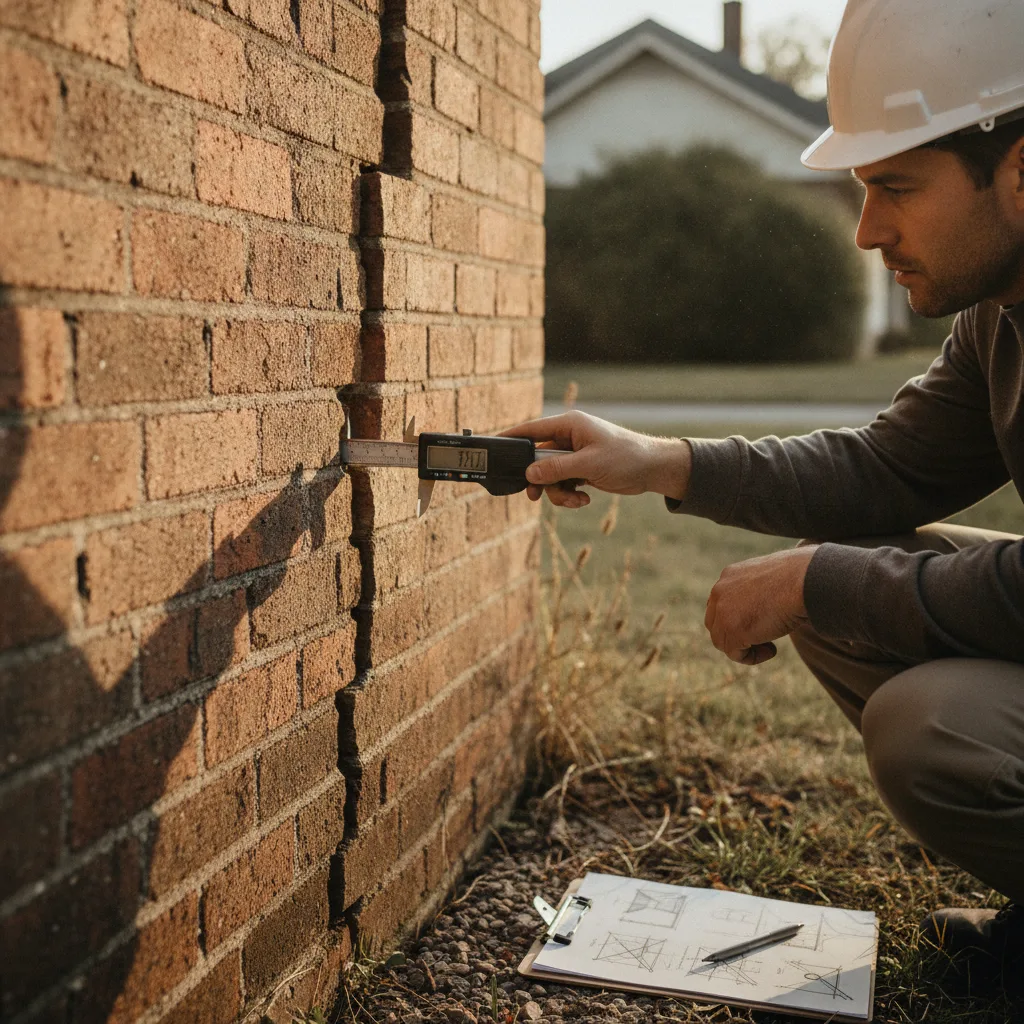
Foundation repair marketing operates in a completely different part of the digital marketing landscape. The buyer noticed sticking doors or diagonal cracks, looked up what that means, scared themselves with structural risk articles, and is now in a 4-to-16-week comparison mode. They will read white papers, watch inspection videos, check warranties, and contact 2 to 4 contractors before signing anything. A waterproofing-style 'call us now' CTA does not match where they are emotionally. The right CTA is 'Get Structural Assessment' — framing the company as an engineering-oriented partner, not an emergency responder.
PPC cost-per-click runs $15 to $45 on high-intent foundation repair keywords in metros like Dallas, Atlanta, and Phoenix as of 2026. That sounds expensive until you run the revenue math: a single pier-and-beam underpinning job at $9,000 to $25,000 covers 200 to 600 clicks. The $3,000/month LSA spend benchmark for foundation repair produces 40 to 50 leads, 10 booked jobs at a $9,000 average, and $90,000 in revenue — a cost-per-booked-job of $300 on LSA when the close rate hits 20 to 25%. The math works. But it only works if the nurture sequence closes the leads that do not convert on first contact.
HubSpot Sales Hub Starter at $20/user/month is the right CRM for this service. Its automated multi-touch email sequences keep the contractor visible across the full 4-to-16-week homeowner decision window that Jobber and Housecall Pro are not built to manage. A four-email sequence triggered at day 1, day 7, day 21, and day 45 after an inspection — covering engineering review process, warranty terms, transferable warranty details, and financing options — converts cold foundation repair leads that a single follow-up call would lose. Each email should link to valuable content on the service website: case studies, a foundation crack identification guide, and an FAQ about the structural assessment process.
Content marketing and search engine optimization are high-ROI channels for foundation repair that waterproofing campaigns rarely use to full effect. Foundation repair buyers conduct research-heavy searches across multiple sessions before contacting a contractor. Blog content targeting real estate agent referral searches — 'foundation repair before listing,' 'transferable foundation warranty for home sale,' 'how to disclose foundation crack to buyer' — reaches a distinct buyer persona that a paid ad campaign misses entirely. Real estate agents and pre-listing sellers now query AI search engines to find foundation repair contractors with strong warranties. Educational content optimized for those local keywords generates website traffic and qualified leads at roughly $35 per lead in organic cost versus $130 to $180 per lead on traditional Search campaigns. Google Business Profile posts highlighting warranty terms and engineering-review credentials also support local SEO for the service area.
Waterproofing Marketing vs. Foundation Repair Marketing: 8-Dimension Comparison
| Dimension | Waterproofing Marketing | Foundation Repair Marketing |
|---|---|---|
| Buyer Emotional State | Reactive, fear-driven — water in the basement now; hires the first company to answer | Research-heavy, cautious — weighing structural risk and comparing 2–4 contractors over weeks |
| Avg. Project Cost | $5,230 avg; interior systems $2,500–$8,200; exterior excavation $8,000–$25,000 | $5,176 avg (Angi 2026); major structural work $10,000–$40,000; pier underpinning $9,000–$25,000 |
| PPC Cost-Per-Click | $5–$7/click on waterproofing-related search terms | $15–$45/click on 'foundation repair' and 'house leveling' in competitive metros |
| LSA Cost-Per-Lead | $60–$75/lead (standard markets); Search campaigns $150–$180/lead | $60–$75/lead (standard markets); Southern California and similar metros push above $75 |
| Decision Timeline | Hours to days from first contact to booked inspection; urgency closes fast | 4–16 weeks homeowner decision window; full project timeline 11–26 weeks |
| Landing Page Strategy | Dedicated waterproofing page, single 'Book Free Inspection' CTA; fear-of-loss copy, resale ROI stat | Dedicated foundation repair page, single 'Get Structural Assessment' CTA; warranty, engineering-review, and transferable-warranty proof points |
| CRM & Nurture Tool | Jobber or Housecall Pro for fast dispatch and same-day scheduling; CallRail for call attribution by service type | HubSpot Sales Hub Starter for 4-to-16-week multi-touch email nurture; CallRail tracks which service type each call references |
| Primary Digital Marketing Effort | Google LSA (waterproofing category), Google Ads Search + Performance Max, Google Business Profile optimization for local search map pack visibility | Google LSA (foundation repair category), high-intent PPC on 'house leveling' and 'foundation crack repair,' content marketing targeting real estate agent referral searches |

The $15-vs-$5 Click Problem: Why One Ad Campaign Destroys the Math for Both Services
Combining waterproofing and foundation repair into a single Google Ads campaign forces you to bid against foundation repair's $15 to $45 CPC keywords to serve a waterproofing buyer who should cost $5 to $7 per click. The blended CPC inflates your waterproofing cost-per-lead from the $60 to $75 LSA benchmark toward the $150 to $180 Search campaign range — and simultaneously underbids on foundation repair terms, pulling in unqualified traffic that tanks your close rate on the high-ticket service. As of 2026, Google Ads CPCs rose 10 to 25% across contractor verticals. That pressure makes campaign segmentation a budget survival decision, not a nice-to-have optimization.
Run Waterproofing Marketing as Its Own Campaign to Win the High-Urgency Lead
Waterproofing is a speed-and-response game above all else. The buyer with water in the basement at 9 p.m. is not comparing warranties or reading case studies. They are calling the first number Google shows them and hoping someone picks up. Your entire waterproofing campaign structure should be built around winning that moment.
- Waterproofing buyers hire the first company that answers: 78% of home service customers go with the first responder, and CallRail's 2026 data shows a 14% missed call rate industry-wide — so speed-to-answer is the single biggest conversion lever for any waterproofing business.
- Keep PPC clicks in the $5 to $7 range by running a dedicated waterproofing-only campaign with tightly themed ad groups around 'wet basement,' 'sump pump installation,' and 'interior drainage' — mixing these keywords into a foundation repair campaign drives up your blended CPC toward $15 to $45 territory unnecessarily.
- A dedicated waterproofing landing page converting at 5 to 15% against a homepage's 1 to 3% is a 2 to 4x lift at zero added ad cost — the only required change is splitting the page and pointing the waterproofing campaign at its own URL.
- Use the fear-of-loss angle directly: unresolved water intrusion reduces home value 10 to 25%, and a functioning drainage system adds $10,000 to $15,000 at resale — these numbers convert skeptical potential customers faster than any service feature list.
- Dispute bad LSA leads consistently; waterproofing contractors who do recover 10 to 25% of spend, which directly drops cost-per-booked-job below the $500 LSA benchmark.
- Google Business Profile optimization paired with local SEO generates a steady stream of organic calls that supplement paid lead volume and reduce your blended cost-per-lead across the waterproofing service area.
A waterproofing company that segments its campaign, answers every call within 60 seconds, and disputes bad LSA leads each month is operating at a structural advantage over competitors sharing a homepage and a generic phone number. The digital marketing efforts required to build that advantage are a one-time setup, not ongoing complexity.
Foundation Repair Marketing Is a High-Ticket, Long-Cycle Game That Rewards Nurture Over Speed
Foundation repair buyers are not in a hurry, and marketing strategies that treat them like waterproofing customers waste high-CPC budget on people who are not ready to book. The foundation repair marketing strategy that works is one built around earning trust across a 4-to-16-week window, not winning a 10-minute phone race.
- Foundation repair PPC clicks run $15 to $45 each in competitive metros like Dallas and Atlanta, but a single piering project lands $9,000 to $25,000 — the revenue-per-job math justifies the higher ad cost only if the HubSpot nurture sequence closes the 4-to-16-week decision window.
- Run Google LSA under a separate 'Foundation Repair' service category, not bundled with waterproofing — commingled categories dilute your dispute eligibility and prevent accurate cost-per-booked-job tracking by service type.
- HubSpot Sales Hub Starter at $20/user/month handles the multi-touch email nurture that Jobber and Housecall Pro cannot: automated sequences at days 1, 7, 21, and 45 keep the contractor visible to potential clients who are still in comparison mode.
- Target the real estate agent referral segment with dedicated content marketing: pre-listing sellers and buyers' agents actively query AI search engines to find foundation repair contractors who offer transferable warranties — a buyer persona that a waterproofing-blended campaign never reaches.
- Track cost-per-booked-job, not cost-per-lead: the $3,000/month LSA benchmark producing 40 to 50 leads, 10 booked jobs at $9,000 average equals $90,000 in revenue — the target is cost-per-booked-job under $500 on LSA and under $800 on PPC.
- Email marketing and social media content that showcases warranty terms, engineering credentials, and before-and-after structural photos build trust with the research-heavy buyer who reads everything before calling.
Foundation repair national averages have climbed roughly 18% since 2023 due to inflation in concrete, steel, and skilled labor. Buyers spending $10,000 to $40,000 on structural work do their homework. A foundation repair marketing strategy that meets them with educational content, a strong warranty message, and a HubSpot-powered follow-up sequence converts those qualified leads at rates that cold-ad-only approaches cannot match.
The $15-vs-$45 Click Problem: Why One Campaign Cannot Serve Both Your Waterproofing and Foundation Repair Business
Companies offering both basement waterproofing and foundation repair under one roof face a specific digital marketing problem: the two services share symptoms (cracks, water infiltration) but attract buyers who are at completely different emotional stages and decision timelines. A single undifferentiated ad campaign cannot serve both without destroying the unit economics for at least one of them.
The CPC gap is the clearest proof. Waterproofing-related search terms cost $5 to $7 per click. Foundation repair terms cost $15 to $45. Mix them into one campaign and Google's algorithm blends your bid toward the higher range to maintain auction competitiveness on foundation repair keywords — meaning you pay foundation repair prices to reach a waterproofing buyer who should have cost $5. The result is waterproofing cost-per-lead climbing from the $60 to $75 LSA benchmark toward the $150 to $180 Search range, while foundation repair terms get underbid and attract low-intent website traffic that does not close.
The fix is segmentation: four separated marketing assets that protect the math for each service and let you track cost-per-booked-job by service type rather than blending the numbers into a single metric that obscures where money is being lost. Google Analytics, CallRail, and properly separated HubSpot pipelines make this attribution visible from day one of the new structure.
Which Campaign Structure Fits Your Business Right Now?
Foundation-Repair-First
Your Revenue Is Foundation Repair and Waterproofing Is the Upsell You're Not Capturing
Foundation repair contractors who added waterproofing services without building a separate marketing track are sitting on a warm lead pool they cannot see. Every homeowner who called about sticking doors or diagonal cracks and did not book a foundation repair job is a qualified waterproofing prospect. They already trust the brand, they already had an inspector on site, and water infiltration is often a symptom of the same grading and settlement issues that cause foundation movement.
The fix is a 90-day post-inspection email sequence in HubSpot that offers a free waterproofing assessment to every foundation repair lead that did not convert. Waterproofing clicks cost $5 to $7 versus $15 to $45 for foundation repair, so the marginal cost of reactivating a cold foundation repair lead with a waterproofing offer is a fraction of acquiring a net-new waterproofing lead from Google Ads. Close rates on warm reactivations beat any cold channel — these potential clients already know the company and respect the brand.
Before starting a separate waterproofing campaign, assign CallRail a new tracking number for waterproofing inquiries, build a dedicated waterproofing landing page with 'Book Free Inspection' as the only CTA, and set up a separate Google LSA service category under 'Basement Waterproofing.' That structure lets you measure cost-per-booked-job for waterproofing independently and prevents the waterproofing volume play from inflating your foundation repair cost metrics.
Both Services
Running Both Services: The Segmented Campaign Structure That Stops Each From Cannibalizing the Other
Companies offering both basement waterproofing and foundation repair need four separated marketing assets to protect the math for each service: (1) a dedicated waterproofing landing page with a 'Book Free Inspection' CTA, (2) a dedicated foundation repair landing page with a 'Get Structural Assessment' CTA, (3) separate Google LSA service categories for each, and (4) separate CallRail tracking numbers routing into separate CRM pipelines. Dedicated landing pages convert paid traffic at 5 to 15% versus the 1 to 3% a shared homepage delivers — that 2 to 4x lift in conversion rates costs nothing extra in ad spend.
The budget split should reflect ticket size and timeline, not equal thirds. As of 2026, a strong baseline allocation looks like this: 55 to 60% of paid budget toward foundation repair PPC (high CPC, high revenue-per-job), 30 to 35% toward waterproofing LSA and Search (lower CPC, faster close, volume play), and 10% held as a dispute-recovery reserve on LSA across both services. Contractors who dispute bad leads consistently recover 10 to 25% of spend — that reserve pays for itself. Google Business Profile optimization and local SEO content marketing should serve both services but use service-specific landing pages as the destination, never the homepage.
The hidden dividend of a segmented campaign structure is the cross-service upsell pipeline. Waterproofing customers who have already trusted the company and experienced a smooth inspection and installation are the warmest possible foundation assessment leads. A simple 6-month post-job email from HubSpot offering a complimentary structural review converts at a higher rate than any cold Google Ad, and it costs nothing in ad spend. That pipeline is invisible until the marketing is segmented enough to track it through Google Analytics and CallRail attribution.
Waterproofing-First
Your Volume Comes From Waterproofing and You Want to Add Foundation Repair Later
Your waterproofing company is already generating booked inspections through Google LSA and a dedicated landing page. The right move is to protect that engine before expanding. Assign CallRail a separate tracking number for waterproofing calls, confirm your LSA account is categorized under 'Waterproofing' only, and run Jobber for same-day dispatch — that combination keeps cost-per-booked-job at or below the $500 LSA benchmark before you spend a dollar on foundation repair campaigns.
When you add foundation repair marketing, build it as a parallel track: a second LSA service category, a second landing page, and a HubSpot pipeline separate from your Jobber waterproofing workflow. Attempting to fold foundation repair into the existing waterproofing funnel dilutes both — your fast-close dispatch process does not fit a buyer who needs 4 to 16 weeks and three follow-up emails before signing a $12,000 pier-and-beam contract.
Use your waterproofing satisfied customers as the first source of foundation repair social proof. Ask them to leave Google reviews that mention the inspection and drainage solutions process, then use those reviews as educational content on the foundation repair landing page. Potential clients who are in the slow comparison phase of a foundation repair decision respond to contractors who demonstrate careful process — and waterproofing reviews that highlight the inspection experience build exactly that credibility at zero added cost.
The structural mistake is not running the wrong ads — it is running the right ads in the wrong container. A waterproofing buyer with water coming through the wall at 9 p.m. and a foundation repair buyer who spotted a diagonal foundation crack two months ago and has been reading engineering forums ever since are not the same customer. They do not respond to the same CTA, they do not close on the same timeline, and they do not belong in the same CRM queue. Splitting the campaigns, the landing pages, the LSA categories, and the tracking numbers is a one-time build that pays compounding returns: lower CPL on waterproofing, better close rates on foundation repair, and a cross-service reactivation pipeline that generates booked inspections from leads you already paid to acquire.
The digital marketing landscape for home services contractors changed in 2026 as Google Ads CPCs rose 10 to 25% across contractor verticals and LSA adoption climbed to an estimated 70% of contractors. In that environment, the waterproofing company and foundation repair operation sharing a homepage and a phone number with no attribution layer between them are funding two buyer journeys with one blunt instrument. Segmented campaigns with service-specific landing pages, CallRail attribution, and the right CRM for each buyer timeline are not advanced optimization — they are table stakes for any basement waterproofing business or foundation repair contractor spending serious money on digital marketing efforts. If you need a marketing agency to build the segmented structure and manage it month to month, that is the conversation to start before the next Google CPC increase hits.
Start with a single audit: pull your current Google Ads data and separate the clicks, impressions, and cost by service type using CallRail call recordings and Google Analytics goal completions. If you cannot tell what a waterproofing booked inspection costs versus a foundation repair booked inspection, you do not yet have the data to make good budget decisions. That attribution layer is the foundation. Everything else — campaign structure, landing page split, CRM selection, LSA dispute recovery — builds on top of it.
Frequently Asked Questions
Ready to get started? Contact Geek Powered Studios today.