Email marketing for plastic surgeons returns $42 for every $1 spent, but only when the sequence runs long enough to match the patient's decision timeline. The industry median consultation-to-procedure conversion rate is 40 to 50 percent. Top-performing practices hit 75 to 85 percent. The gap is not clinical skill. It is a follow-up system. A 7-step, 90-day post-consult sequence built inside GoHighLevel — with HIPAA compliance enabled, procedure-level segmentation, a 6-touch core email cadence, automated appointment reminders, and proper revenue attribution — closes that gap. Setup takes 6 to 10 hours. After launch, the sequence runs automatically for every new consultation completed.
-
40–50% vs. 75–85%Median vs. top-10% consult-to-procedure conversion rate
-
$112,000/monthRevenue gap for a 40-consult/month practice at median vs. top conversion
-
6 touches over 30 daysMinimum core post-consult email sequence cadence
-
65% higher response rateWhen the Day 0 thank-you email fires within 24 hours of the consult
-
25–30% to 8–12%No-show rate reduction with automated appointment reminders
-
$42 ROI per $1 spentEmail marketing return for plastic surgery practices that track attribution
-
$297/monthGoHighLevel HIPAA add-on cost required for compliant email sequences
-
6–10 hoursOne-time setup time for the full 7-step automated system
Email marketing for plastic surgeons is the highest-ROI follow-up channel available — returning $42 for every $1 spent — but only when the sequence runs long enough and runs correctly. The global cosmetic surgery market hit approximately $59 billion in 2025 and is projected to exceed $61 billion by the end of 2026. Yet the average plastic surgery practice in that competitive market still loses 40 to 50 percent of consultation requests to slow follow-up or total silence. This 7-step guide walks through building a fully structured, HIPAA-configured, 90-day post-consult email nurture sequence inside GoHighLevel — the exact system that separates practices converting at the industry median (40 to 50 percent) from those converting at the top 10 percent (75 to 85 percent). Setup takes 6 to 10 hours. After launch, the sequence runs automatically for every completed consultation, keeping your practice top-of-mind through the entire 4-to-10-week consult-to-surgery window and the longer research tail that defines how cosmetic surgery patients actually make decisions.
Before you start
- Active GoHighLevel account with the $297/month HIPAA add-on enabled and a signed Business Associate Agreement (BAA) on file with GoHighLevel directly
- CRM with leads segmented by procedure interest — breast augmentation, tummy tuck, rhinoplasty, liposuction, facelift — even a basic tag structure works as a starting point
- A before/after photo gallery with signed patient consent forms authorizing use in email marketing campaigns
- Surgeon bio video or recorded Q&A of at least 60 to 90 seconds, suitable for embedding in a nurture email without professional production
- Defined post-consult intake step — either a form submission or coordinator call notes — that marks the consultation as completed in your CRM
- Financing partner information ready to include in emails: CareCredit, Alphaeon, or practice-internal payment plan terms with example monthly payment figures
Audit Your Follow-Up Gap and Calculate What It's Costing You
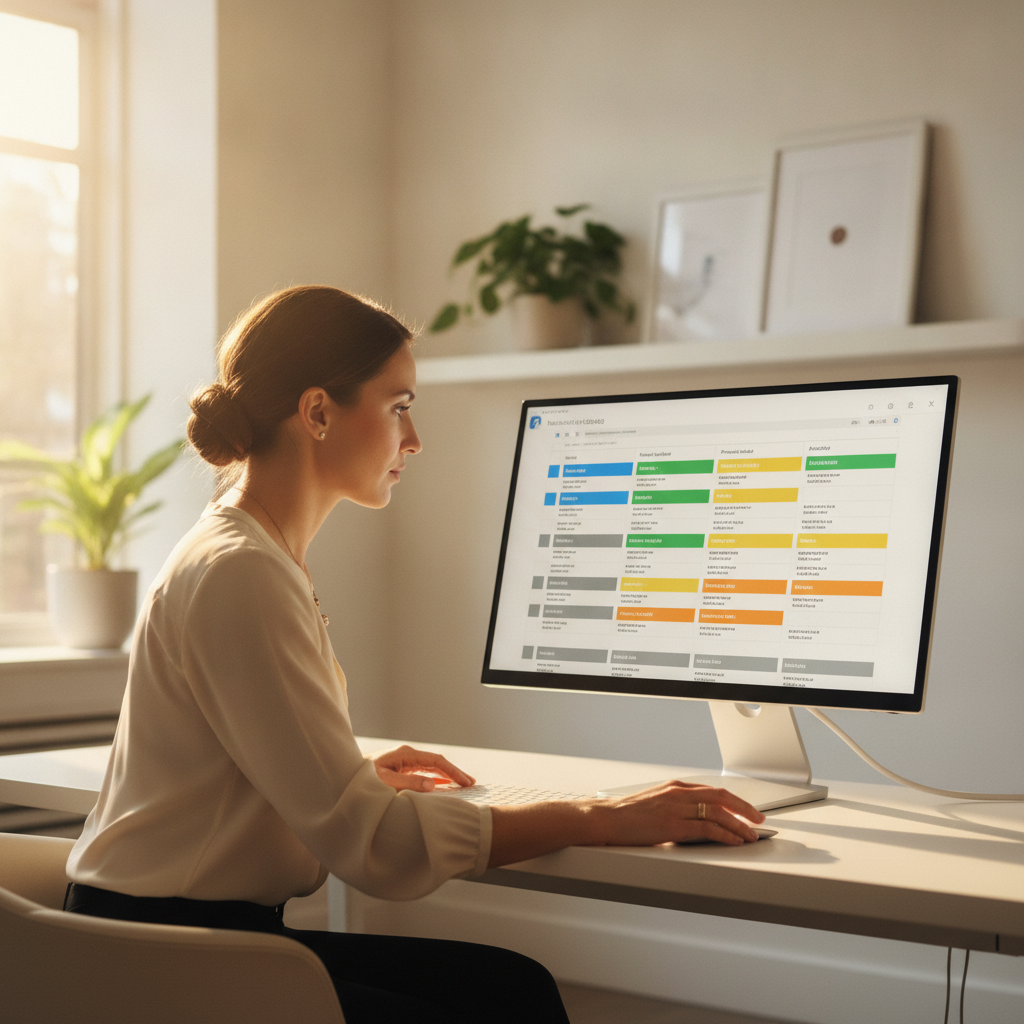
Most plastic surgery practices lose 40 to 50 percent of consultation requests before those patients ever book surgery — not because the surgeon wasn't the right fit, but because follow-up stopped after a single generic email. The industry median consultation-to-procedure conversion rate sits at 40 to 50 percent. Top-performing practices convert at 75 to 85 percent. That 25-to-35-point gap is not clinical skill. It is a conversion system, and email marketing is the core of that system.
Before building any sequence, pull 90 days of consult data from your CRM. Count consultations completed, procedures booked, and — critically — how many contacts received zero follow-up email after the thank-you. For most practices, that third number is alarming. A practice completing 40 consultations per month at the median 45 percent conversion rate books 18 procedures. At 80 percent, it books 32. At an average surgical case value of $8,000, that 14-procedure gap is $112,000 in monthly revenue sitting in your CRM uncontacted. That is the cost of the follow-up silence.
Document your current follow-up cadence honestly: how many emails go out, on which days, with what content. This baseline is your control group. Every conversion lift you see after launching the full sequence becomes attributable — which matters for ROI reporting internally and when presenting results to stakeholders or a marketing team evaluating platform performance.
GoHighLevel CRM
$97–$297/month + $297/month HIPAA add-on
Pipeline reporting shows consult-to-booked-procedure conversion by stage; required for HIPAA-eligible email automation for medical practices
PatientNow
$400–$700/provider/month
Plastic surgery-native CRM with built-in consult tracking and procedure-specific segmentation for practices already on practice management software
Benchmark to beat
Breast augmentation median consult-to-procedure conversion is 51.5 percent; top 10 percent convert at 70.9 percent. Tummy tuck median is 41.4 percent; top 10 percent hit 63.7 percent. Know which procedures your practice performs most and set sequence-specific targets against those benchmarks — not a blended average that masks underperformance in your highest-volume procedure category.
Configure GoHighLevel for HIPAA-Eligible Email Marketing Campaigns
Email marketing for plastic surgeons only becomes HIPAA-eligible in GoHighLevel when three conditions are met: the $297/month HIPAA add-on is purchased, a Business Associate Agreement is signed with GoHighLevel directly, and HIPAA mode is activated on each individual sub-account. Skipping any one of these three steps means your automated sequences are running on infrastructure not covered under a BAA — a compliance exposure that has cost medical practices six-figure HHS settlements as recently as 2023 to 2025. This is a non-negotiable configuration step, not an optional upgrade.
Once HIPAA mode is active, configure your email sending domain with proper DKIM and SPF authentication to protect deliverability. Healthcare email open rates benchmark at 22.6 percent — above the cross-industry average — but only if your emails land in the inbox. A misconfigured sending domain kills deliverability before your copy gets a chance to work. Set up a dedicated sending subdomain (mail.yourpractice.com, for example) rather than sending from your root domain. Use Google Postmaster Tools to monitor sender domain reputation and spam rate from day one.
On the compliance side, strip all PHI from automation trigger logic. Your workflows can fire based on CRM tags like 'rhinoplasty-consult-completed' without referencing diagnosis codes, specific medical history, or procedure-specific language in the automation name itself. The email body can discuss the procedure; the automation metadata cannot contain PHI. This distinction is where many medical practices configure their sequences incorrectly and create audit risk. Do not use client-side tracking pixels on any page containing patient data — use server-side conversion APIs with PHI stripped when running Google Ads or Meta campaigns alongside your email sequences.
GoHighLevel HIPAA Add-On
$297/month
Required for AES-256 encrypted storage and BAA coverage on all email and SMS communications containing or adjacent to PHI
Google Postmaster Tools
Free
Monitors sender domain reputation and spam rate — essential for a medical practice sending high-volume nurture sequences to a patient list
Compliance non-negotiable
Several practices settled six-figure HHS actions between 2023 and 2025 over retargeting pixel disclosures on confirmation and thank-you pages. If your practice runs Google Ads or Facebook campaigns alongside your email sequences, use server-side conversion APIs with PHI stripped — not standard browser-based pixels on any page where patient data is present.
Segment Your Patient List by Procedure Interest Before Writing a Single Email
A single generic post-consult email sequence sent to every prospective patient — regardless of whether they came in for a breast augmentation, tummy tuck, or facelift — is the fastest way to train your patient list to ignore your marketing emails. Segmentation by procedure interest is the difference between a 2.9 percent click-through rate (the plastic surgery-specific benchmark) and an underperforming sequence that never moves the conversion needle. Your target audience for each procedure is different enough that treating them the same is actively counterproductive.
At minimum, create four procedure-interest tags in your CRM: body contouring (tummy tuck, liposuction, body lift), breast procedures (augmentation, lift, reduction), facial procedures (rhinoplasty, facelift, eyelid surgery), and non-surgical cosmetic procedures (Botox, fillers, skin treatments). Each tag triggers a different educational drip with procedure-specific before/after content, recovery timelines, and candidacy criteria. A prospective breast augmentation patient needs to understand implant profile options and post-op care expectations — not facelift recovery milestones. Relevant emails build trust and keep prospective patients engaged with your practice.
Layer a second segmentation dimension on top of procedure interest: decision stage. Tag contacts as 'research-phase' (first consult, no pricing discussion yet), 'pricing-stage' (financing was discussed at consult), or 'ready-to-book' (expressed intent, scheduling conflict only). Decision-stage tagging changes which email fires next. A ready-to-book contact gets a direct scheduling call to action and a limited-availability message. A research-phase contact gets educational content and patient success stories — not a hard close that feels pushy before trust is established.
Shortcut for smaller lists
If your patient list is under 500 contacts and manual tagging feels overwhelming, start with two segments only: surgical cosmetic procedures and non-surgical cosmetic procedures. That single split immediately makes your emails more relevant and your click-through rates measurable by category. Expand to procedure-level segmentation once you have baseline data from at least 60 days of sequence performance.
Build the 6-Touch, 30-Day Core Post-Consult Email Sequence
The 4-to-10-week window between a plastic surgery consultation and a scheduled procedure is where most practices lose patients to silence. A structured post-consult email sequence should run a minimum of 6 touches over 30 days: Day 0 (thank-you and consultation recap), Day 3 (procedure FAQ addressing the top 5 common concerns raised in consultations), Day 7 (financing options — CareCredit, Alphaeon, or in-house payment plans with example monthly figures), Day 14 (before/after gallery featuring patient stories for the specific procedure), Day 21 (surgeon video, 60 to 90 seconds answering 'what should I know before deciding?'), and Day 30 (re-consult offer or scheduling prompt). These are the essential elements that move a research-phase contact toward a booking decision.
Post-consult emails sent within 24 hours achieve a 65 percent higher response rate. The Day 0 thank-you email is your highest-attention touchpoint in the entire sequence — fire it within 2 hours of the consultation being marked completed in your CRM, not the next morning. Include a brief personalized recap of the procedure interest and key questions discussed, the surgeon's direct email for follow-up questions, and one clear next step: either a scheduling link or a prompt to review the before/after gallery you're sending in two weeks. This first impression sets the tone for every email that follows.
The Day 7 financing email is chronically underused by practices that assume prospective patients will ask about financing on their own. They won't. A direct, matter-of-fact email explaining that many patients use CareCredit or Alphaeon — with monthly payment examples for a $7,500 cosmetic surgery procedure — removes a primary objection without requiring a phone call. Pair it with clear calls to action: 'Reply to this email or call us to discuss payment options before your next step.' That single touchpoint moves more stalled new leads than almost any other email in the sequence. The most effective email campaigns for plastic surgeons treat financing as a feature, not a footnote.
GoHighLevel Email Builder
Included in GoHighLevel subscription
Native sequence builder with trigger-based delays, procedure-tag branching, and mobile-friendly templates — all within the HIPAA-configured sub-account
Loom
Free / $12.50/month (Starter)
Quick surgeon video recording for the Day 21 touchpoint — no production crew needed, and authenticity outperforms polished video in plastic surgery nurture sequences
Day 0 timing matters more than any other variable
Best-performing practices respond to consultation requests within 5 minutes during business hours. Apply the same standard to post-consult follow-up: automate the Day 0 thank-you email to fire the moment the consultation is marked completed in your CRM. A batch send the next morning costs you the highest-engagement window in the entire 90-day sequence.
Extend the Sequence to 90 Days With Dynamic Content for Late-Deciding Cosmetic Patients
Plastic surgery patients research for 6 to 12 months before booking a consultation, and the consult-to-surgery timeline itself runs 4 to 10 weeks. A 30-day sequence cuts off contact during the exact window when many cosmetic patients are still deciding. The full nurture sequence for plastic surgeons must run 60 to 90 days post-consult to capture late-deciding patients — the ones who said they needed to 'think about it' or 'talk to their spouse.' A competitive market means whichever practice sends the next email often wins the booking, regardless of which practice ran the better consultation.
At Day 45, send a reactivation email. Keep it short and direct: 'We wanted to check in — your consultation with Dr. [Name] was six weeks ago, and we would love to answer any new questions that have come up since then.' No promotional language. No manufactured urgency. Just a genuine touchpoint that reminds the prospective patient they have a warm relationship with the practice. This email consistently produces replies from contacts who had mentally moved on and encourages satisfied patients-in-waiting to re-engage on their own timeline.
At Day 60 and Day 90, shift to dynamic content: segment-specific patient testimonials, a link to a new before/after case in their procedure category, or an announcement of a new treatment option or new services relevant to their area of interest. These touchpoints keep the practice visible during the long cosmetic surgery patient research phase and give contacts who are now actively comparing competitors a reason to come back. Many practices also add SMS touches at Day 45 and Day 75 alongside the email sequence, creating a multi-channel 12-week nurture that reduces patient defection to competing practices. Marketing for plastic surgeons that stops at 30 days is not a marketing strategy — it is a head start for whoever emails next.
GoHighLevel SMS + Email Automation
Included in GoHighLevel (plus per-message SMS costs)
Runs coordinated email and SMS sequences from the same workflow, ensuring a prospect sees a consistent message across marketing channels without manual coordination
Reactivation intervals for dormant contacts
For contacts who do not respond to any touch in the first 90 days, move them to a long-cycle reactivation track with touchpoints at 60-day, 90-day, and 180-day intervals. These promotional emails should focus on new procedures, seasonal body contouring campaigns, or non-surgical entry points like Botox or fillers that re-engage past patients and cosmetic patients who were not ready for surgery but may be ready for a lower-commitment first step.
Add Automated Appointment Reminders to Cut No-Shows From 25% to Under 12%
Automated appointment reminders reduce plastic surgery consultation no-show rates from 25 to 30 percent down to 8 to 12 percent. For a practice completing 40 consultations per month, that is 5 to 9 additional consultations per month that actually happen — without spending an additional dollar on lead generation. This operational improvement is one of the most cost-effective components of the entire marketing system, and it is frequently the first step that a marketing team can implement without rebuilding the full nurture sequence.
Build a three-touch reminder sequence for every booked consultation: 48 hours before (email with what to expect, what to bring, and how to prepare for the appointment), 24 hours before (SMS confirmation with a one-tap reschedule link), and 2 hours before (SMS with the practice address, parking instructions, and the coordinator's direct number). The 2-hour SMS touch is the single highest-impact reminder — it catches contacts who forgot about their appointment that morning and would have simply not shown up, costing the practice both the consultation and the potential surgical case.
The reminder sequence also builds trust before the consultation begins. A cosmetic surgery patient who receives a professional, organized pre-appointment communication series arrives with higher confidence in the practice and its attention to detail. That pre-consult experience directly influences how receptive they are to the surgeon's recommendation — which feeds directly into your consult-to-procedure conversion rate. Email marketing for plastic surgeons is not just post-consult. The pre-consult sequence is part of the same system, and its impact on conversion is measurable.
Reminder copy tone matters
Avoid clinical or transactional language in reminder emails. 'You have an appointment at 2pm' feels like a dentist office reminder. 'We are looking forward to meeting you tomorrow — here is everything you need to know to make the most of your time with Dr. [Name]' sets an entirely different expectation and builds trust before the patient walks in the door. Stay consistent in tone across the pre-consult reminder series and the post-consult nurture sequence that follows.
Track Click-Through Rate, Conversion Rate, and Revenue Per Lead — Not Just Open Rates
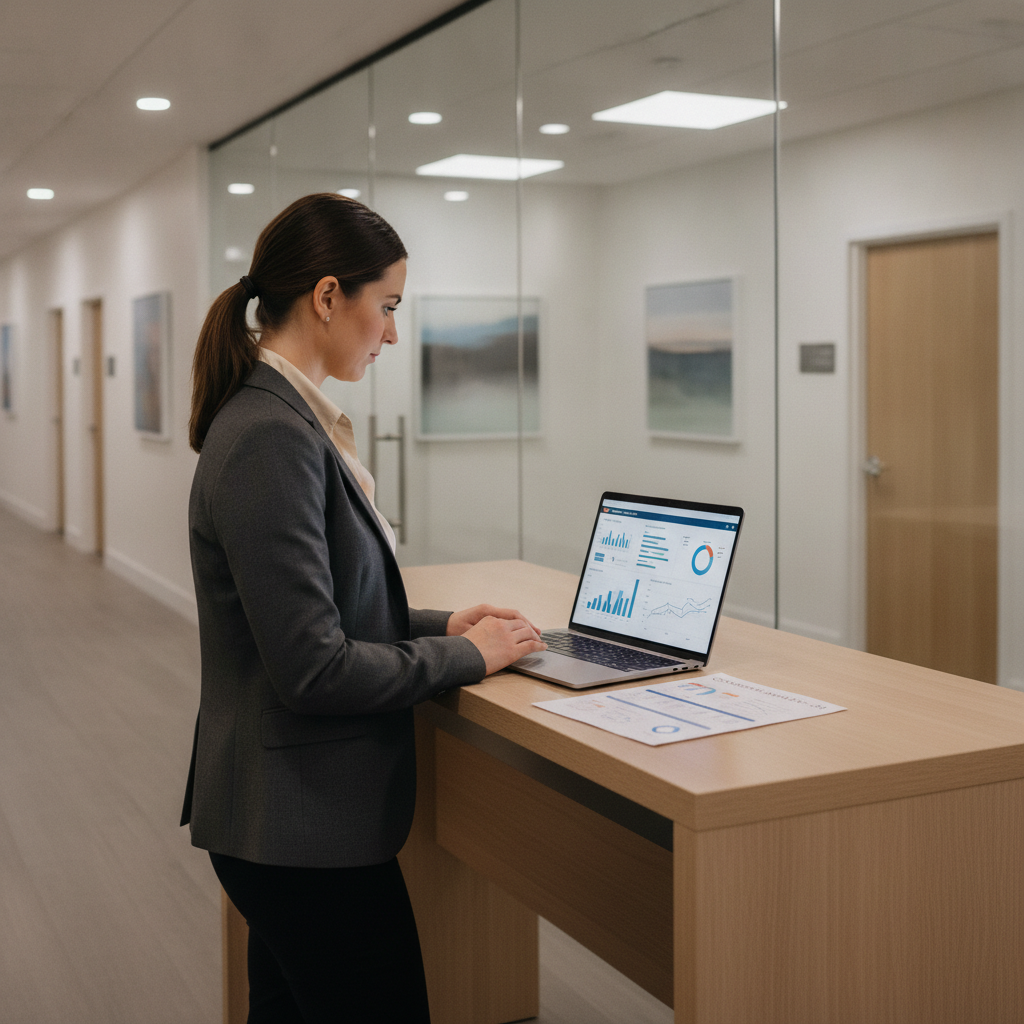
Email marketing for plastic surgeons returns an average of $42 for every $1 spent — but only if you measure the metrics that connect to booked procedures, not vanity numbers. Healthcare email open rates benchmark at 22.6 percent and plastic surgery-specific click-through rates benchmark at 2.9 percent. Those are baselines, not goals. The metrics that tell you whether the sequence is actually working are consultation-to-procedure conversion rate by procedure type, reply rate on Day 0 and Day 45 reactivation emails, and revenue attributed to contacts who booked after receiving the sequence. Open rates tell you about subject lines. Conversion rates tell you about the system.
Set up a tracking system in your CRM that tags every booked procedure with its originating nurture sequence. After 60 days of running the full 7-step sequence, pull a conversion report: how many contacts who received the complete 30-day core sequence booked a procedure, versus contacts who fell out at Day 3 or Day 7? Which email in the sequence generates the most scheduling calls? That data tells you where to focus optimization — whether that means rewriting the Day 14 before/after gallery email with stronger patient testimonials, or adding a more direct call to action on the Day 30 re-consult prompt. Use CallRail alongside GoHighLevel to track which calls to the practice came from email recipients, so phone-booked surgeries are attributed to the sequence rather than lost as untracked conversions.
Every 90 days, review the reactivation track performance separately from the core 30-day sequence. Contacts in the 60/90/180-day reactivation windows represent a fundamentally different audience — they have been in your ecosystem longer, their objections are different, and what moves them to book is often a single new piece of social proof, such as a patient success story or a new before/after case in their procedure category, rather than a promotional email. Marketing strategies that treat reactivation contacts the same as fresh post-consult contacts consistently underperform on this segment. Separate tracking is not optional — it is how you stay consistent in optimization and avoid improving the wrong email while the reactivation track quietly underperforms.
GoHighLevel Reporting Dashboard
Included in GoHighLevel subscription
Pipeline and email attribution reporting connects sequence touchpoints to booked appointments and closed procedures without requiring a separate analytics tool
CallRail
$45/month (Essentials)
Tracks which calls to the practice came from email recipients — critical for attributing phone-booked surgeries back to the nurture sequence rather than counting only online form submissions
The metric most practices skip
Track sequence completion rate — what percentage of contacts receive all 6 touches in the core 30-day sequence without unsubscribing or booking. A completion rate under 60 percent signals deliverability problems or copy getting marked as spam. A high completion rate with low conversion signals the sequence is reaching inboxes but not generating enough urgency or trust to move the decision. These are different problems requiring different fixes, and confusing them is how practices waste months optimizing the wrong variable.
The Follow-Up Silence Is Your Biggest Conversion Killer
A plastic surgery lead costs $60 to $150 to generate — and cosmetic surgery averages the highest cost per lead in all of healthcare at $134.29. Every consultation that does not convert to a booked procedure represents $5,000 to $12,000 in surgical revenue that went somewhere else, most likely to whichever practice sent one more email than you did. The entire 7-step system in this guide — HIPAA configuration, segmentation, 6-touch core sequence, 90-day extension, appointment reminders, and proper attribution — takes 6 to 10 hours to build once and then runs automatically. The practices converting at 75 to 85 percent did not get better surgeons. They built better follow-up systems. Word of mouth referrals and glowing online reviews still matter, but they do not replace a systematic nurture track that keeps your practice in front of prospective patients through the entire research phase. Positive reviews and online reviews bring new leads to the door. A structured sequence keeps them from walking out.
Ready to get started? Contact Geek Powered Studios today.