
Effective Instagram marketing for plastic surgeons requires seven components working together: a credential-forward bio, an algorithm-ready content calendar built on 3–4 Reels per week, standardized ethical before-and-after photos, surgeon-led educational videos, comment-to-DM automation that responds in under 5 minutes, compliant Meta paid advertising, and a metric dashboard tracking DM-to-consultation conversion rate. The $19.1 billion US cosmetic surgery market runs on 6–12 months of patient research, and Instagram is where that research happens. Practices that set up this system consistently report DM-to-consultation booking rates above 20% and lead quality that rivals personal referrals rather than cold paid ads.
-
19%Patients who verify surgeon credentials from social media — your credential-forward bio closes this gap by default
-
3–4 Reels/weekOptimal posting cadence for aesthetic clinics; outperforms daily filler content in reach and sends
-
70.8%Top plastic surgery accounts showing postoperative bias in before-and-after photos — standardize yours to stand apart
-
21xConversion rate multiplier for DM replies within 5 minutes vs. replies after 30 minutes
-
$100–$300Cost per lead on Meta Ads in mid-to-large US metros; $200–$500 in tier-1 markets like NYC and Miami
-
3–5 hrsOne-time setup time for the full 7-step system; ongoing maintenance runs 4–6 hours per week
-
90% vs. 20%Instagram DM open rate vs. email open rate — DMs are the highest-attention sales channel on the platform
-
33–34%Consultation booking rate increase driven by educational video content and surgeon-led Reels
Instagram marketing for plastic surgeons is the most misunderstood digital marketing channel in aesthetic medicine — not because the platform is complicated, but because most practices optimize for the wrong outcome. Follower growth is not the goal. Booked consultations are. The $19.1 billion US cosmetic surgery market runs on 6–12 months of patient research before a single phone call is made, and Instagram is the social media platform where that research happens for the majority of prospective patients under 50. This guide builds a 7-step system that takes 3–5 hours to set up and 4–6 hours per week to maintain. It covers a credential-forward profile, an algorithm-ready content calendar, ethical before-and-after photos, surgeon-led educational videos, comment-to-DM lead generation automation, compliant paid advertising, and the attribution metrics that prove Instagram's actual contribution to consultation revenue.
Before you start
- An Instagram Business account linked to a Meta Business Suite profile — a personal or Creator account blocks the ad and automation integrations this system requires
- A completed HIPAA-compliant social media consent form, separate from surgical consent, ready to give patients before any before-and-after photo is captured for social use
- At minimum one dedicated smartphone or mirrorless camera capable of 1080p vertical video capture for Reels production
- A Meta Ads Manager account with a verified payment method and the Meta pixel installed on your practice website — retargeting campaigns in Step 6 depend on pixel data
- Access to a scheduling tool such as Later ($25/mo) or Metricool ($22/mo) for content calendar management and best-time-to-post analytics
- A clear revenue ranking of your top 3 procedures — rhinoplasty, breast augmentation, Botox, or similar — so your content pillars align with the services that drive practice income
Build Your Credential-Forward Profile to Close the 19% Trust Gap
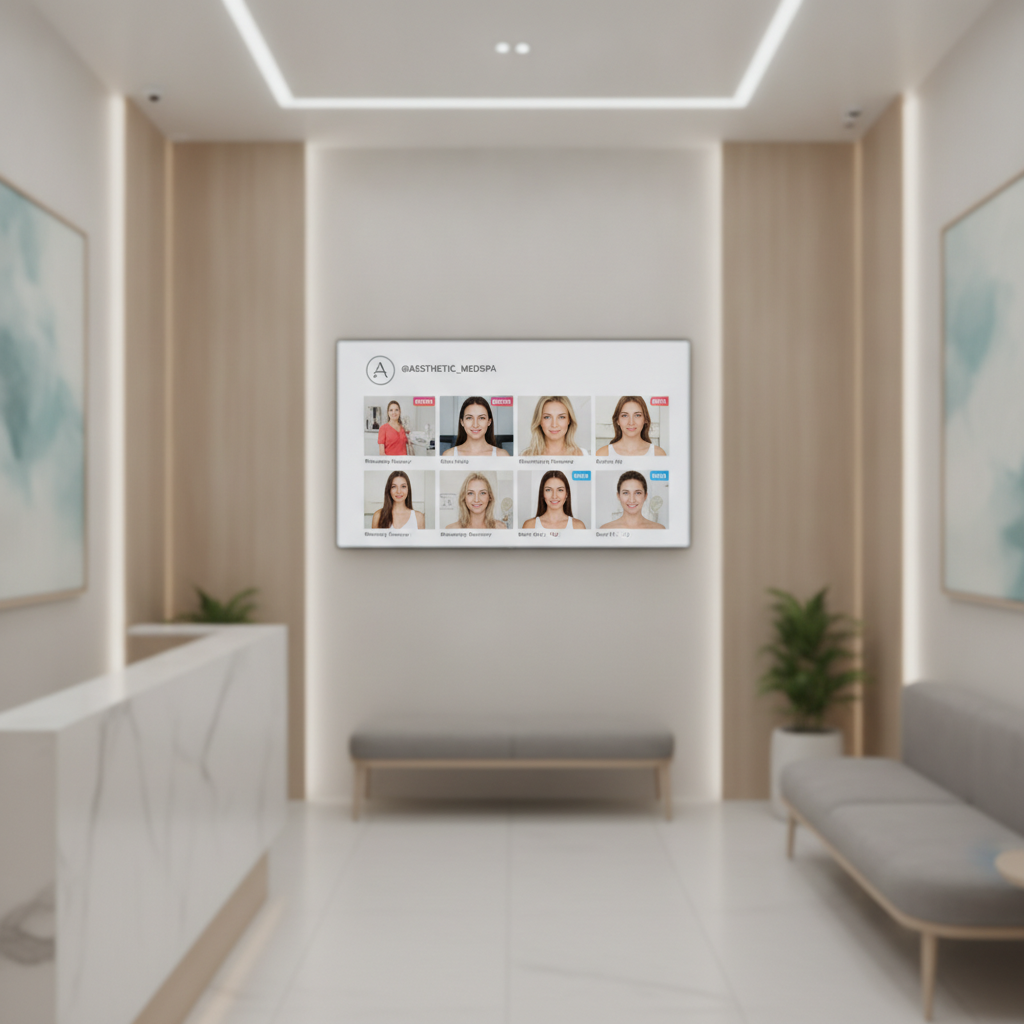
Only 19% of patients verify surgeon credentials found via social media, which means 81% are making high-stakes decisions without confirming board certification — and that gap is your first competitive advantage in a crowded competitive market. Prospective patients compare 3–4 sources over a 6–12 month research window before making a single call. A plastic surgery practice that surfaces board certification, fellowship training, and professional affiliations in the bio, pinned Stories highlights, and every Reel description starts the credibility clock before a competitor even enters the picture.
Structure your Instagram bio as a five-line credential receipt: name and board certification (ABPS or equivalent) on line one, primary specialty and years in practice on line two, city plus practice name on line three, one trust signal such as a named hospital affiliation or teaching appointment on line four, and a single call-to-action link to your consultation booking page on line five. Pinned Story highlights labeled 'Credentials,' 'Patient Stories,' and 'FAQs' give prospective patients a self-service trust audit the moment they land on your profile. The 49% of patients who delay booking until credentials are confirmed online will find the answer without having to ask — and that friction removal directly increases the DM-to-consultation conversion rate. Social media presence built on verifiable credentials is a durable differentiator in aesthetic medicine because most competitors skip this step entirely.
Later
$25/mo
Schedules posts and manages link-in-bio with multi-link landing pages so one URL covers booking, credentials, and patient testimonials simultaneously
Metricool
$22/mo
Tracks profile reach, follower growth, and best posting times so credential-forward content gets scheduled at peak engagement windows for your specific audience
Compliance check
Board certification claims in your bio must match current ABPS or ABMS status exactly. Listing a fellowship or hospital affiliation that lapsed exposes the practice to FTC and state medical board complaints — audit credentials annually and update the bio immediately when status changes.
Set a Content Calendar Built on the 2026 Algorithm's Three Ranking Signals
Instagram's 2026 algorithm ranks content on three confirmed signals: watch time, likes per reach, and sends per reach (DM shares). That hierarchy changes everything about what plastic surgery practices should post and when. A 45-second Reel where the surgeon explains recovery expectations for a tummy tuck will accumulate more sends-per-reach than a static before-and-after grid post, because viewers forward procedural education content to friends and family who are also considering surgery — and those shares are the signal the algorithm rewards with expanded reach.
The optimal cadence for aesthetic clinics as of 2026 is 3–4 Reels per week plus 2–3 carousels and 1–2 static posts — but the carousels and statics anchor the profile grid for trust while Reels do the reach work. Clinics posting 3–4 high-quality Reels per week outperform those posting daily filler, and accounts that post 10 or more reposts within a 30-day window are excluded from recommendations entirely, causing 60–80% reach drops. Build your content calendar around four content pillars: procedure education (rhinoplasty, breast augmentation, Botox, lip fillers), recovery transparency, surgeon credentials and team introductions, and patient stories with written consent in hand.
Plan your content calendar one month at a time using Metricool or Later. Block three filming sessions per week of 30–45 minutes each — enough to record two Reels per session. Batch production cuts the per-Reel time cost to under 20 minutes once the surgeon is comfortable on camera. Short-form video generates roughly 1,200% more shares than static posts, and clinics using video content see 34% higher consultation booking rates, so the time investment pays out directly in booked calls. Consistency in content creation is the compounding factor that separates high-performing social media platforms from stalled ones — a surgeon who films twice a week for 90 days builds an asset library that keeps generating discovery reach long after each Reel posts.
CapCut for Business
Free / $10/mo for team features
Edits vertical Reels with captions, B-roll cuts, and royalty-free audio without requiring a video editor on staff
Metricool
$22/mo
Content calendar view with best-time-to-post analytics specific to your account's audience, not platform-wide averages
Algorithm warning
Instagram's December 2025 internal memo explicitly prioritized 'raw, real human content' over polished production. Over-edited Reels with heavy filters underperform raw on-camera surgeon commentary in watch time and send rate — do not let a production perfectionism standard kill your posting cadence. Authentic content outperforms branded visuals on every signal the algorithm measures.
Produce Ethical Before-and-After Photos That Build Trust for Plastic Surgeons
A 2023 peer-reviewed study found that 70.8% of before-and-after images from top plastic surgery Instagram accounts demonstrated postoperative bias through more optimal angles, lighting, backgrounds, and poses. That number is the single most damaging credibility risk in plastic surgery social media marketing today, because prospective patients who eventually see real results feel deceived — and they leave reviews explaining exactly why. Standardizing your photo protocol is not an ethical nicety; it is a patient retention and reputation management decision that directly affects the ability to convert new patients long-term.
Use a fixed protocol for every before-and-after set: identical room, identical neutral background, identical lighting rig (a simple two-point softbox setup costs under $200), identical camera distance, and identical garment type. Photograph both pre- and postoperative images at the same time of day to control for skin tone shifts under different light sources. Instruct patients to adopt the same neutral posture for both images. Adobe Lightroom Mobile's locked preset feature applies identical exposure, white balance, and tone correction to every pair without manipulating anatomy. This protocol takes an extra 10 minutes per photo session and immediately separates your visual content from 70% of competitors who are cutting corners on standardization.
Before posting any before-and-after photo, obtain a separate, specific written social media consent form — not the surgical consent. HIPAA treats a patient's before-and-after image as protected health information, and posting without social-media-specific written consent puts a surgeon's license at risk. The FTC's Consumer Reviews Rule, effective October 21, 2024, also prohibits AI-generated patient testimonials with civil penalties up to $53,088 per violation. File the signed social media consent in the patient record alongside the surgical chart and confirm the image watermarks your practice name so ownership is unambiguous if the photo is reshared across other social platforms.
Adobe Lightroom Mobile
Free / $10/mo
Applies a locked preset across every before-and-after pair to standardize exposure, white balance, and tone without manipulating anatomy — the single fastest way to meet the ethical photo standard
Legal note
If a staff member posts a patient's before-and-after photo from their personal Instagram account without a signed social media consent form, the practice — not just the employee — carries the HIPAA liability. Establish a written policy that all patient photos route through the practice account only, and include this rule in staff onboarding documentation.
Film Surgeon-Led Educational Videos That Drive Consultation Bookings
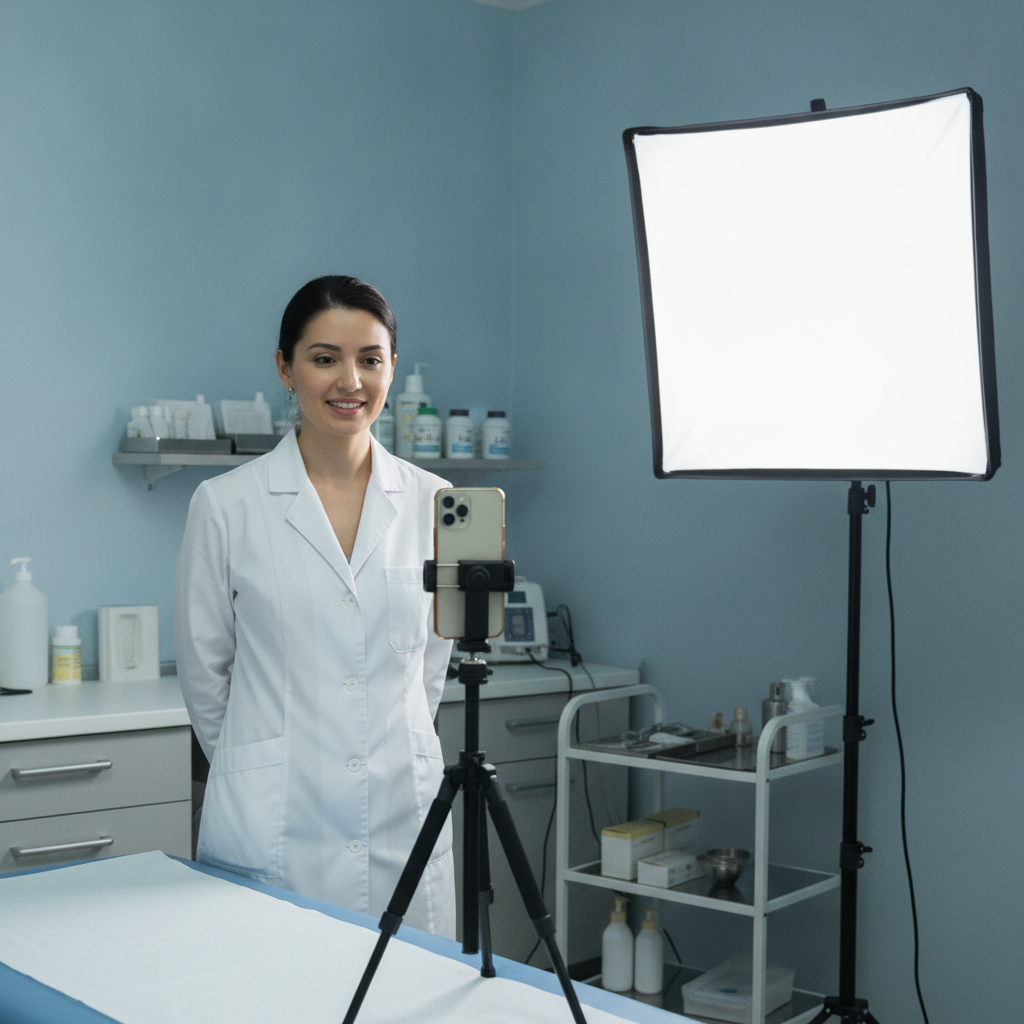
Educational content increases consultation bookings by 33%, and the specific content type that delivers that lift is surgeon on camera — not stock graphics, voiceover slides, or sponsored content produced by a third party. When the surgeon appears on camera answering a specific procedure question, prospective patients begin a parasocial trust relationship that static posts cannot create. Boston University researchers found that following plastic surgeons on social media raises the consideration probability for cosmetic procedures to 55%, up from 53% for passive content exposure. Surgeon-led educational videos are the mechanism that converts passive scrollers into followers and followers into patient consultations.
Format each educational Reel around a single question a prospective patient would type into search engines or ask an AI: 'How long is the recovery after rhinoplasty?', 'What is the difference between a full tummy tuck and a mini tummy tuck?', 'Will my breast augmentation look natural?' Answer the question in the first three seconds — no intro, no preamble. Run 30–60 seconds total. Close with a verbal call-to-action: 'Comment CONSULT below and I'll send you the link to book a consultation.' That comment trigger activates the DM automation in Step 5 and is the link between good content and actual lead generation.
Vary the format to hold audience attention across the content calendar: one Q-and-A Reel per week, one myth-busting Reel ('No, rhinoplasty does not always leave visible scars'), and one recovery-day-by-day transparency video showing realistic healing timelines. Procedure-specific educational videos for high-revenue procedures like breast augmentation and rhinoplasty should appear at least twice per month each. The 57% of Instagram users actively searching for health-related information on the platform are looking for exactly this kind of engaging content from credentialed plastic surgeons — and the practices that provide it consistently engage their target audience at a depth no paid ad can match.
Tip
Record educational Reels in a white-coat or scrubs setting inside the clinic, not a home office or car. The clinical environment is a visual credibility signal that reinforces board certification claims and differentiates the surgeon from influencer-style aesthetic accounts that populate the same search results.
Set Up Comment-to-DM Automation for Lead Generation Without Manual Monitoring
Instagram DM messages achieve open rates of approximately 90%, compared to email marketing's average of roughly 20%, making DMs the highest-attention sales channel available to plastic surgery practices on social media platforms. The problem is that 30–50% of inbound DMs arrive after hours when no staff is available, and replying within 5 minutes makes a lead 21 times more likely to convert than replying after 30 minutes. Comment-to-DM automation solves the after-hours problem without hiring a night-shift coordinator and without sacrificing the conversion advantage of a fast first response.
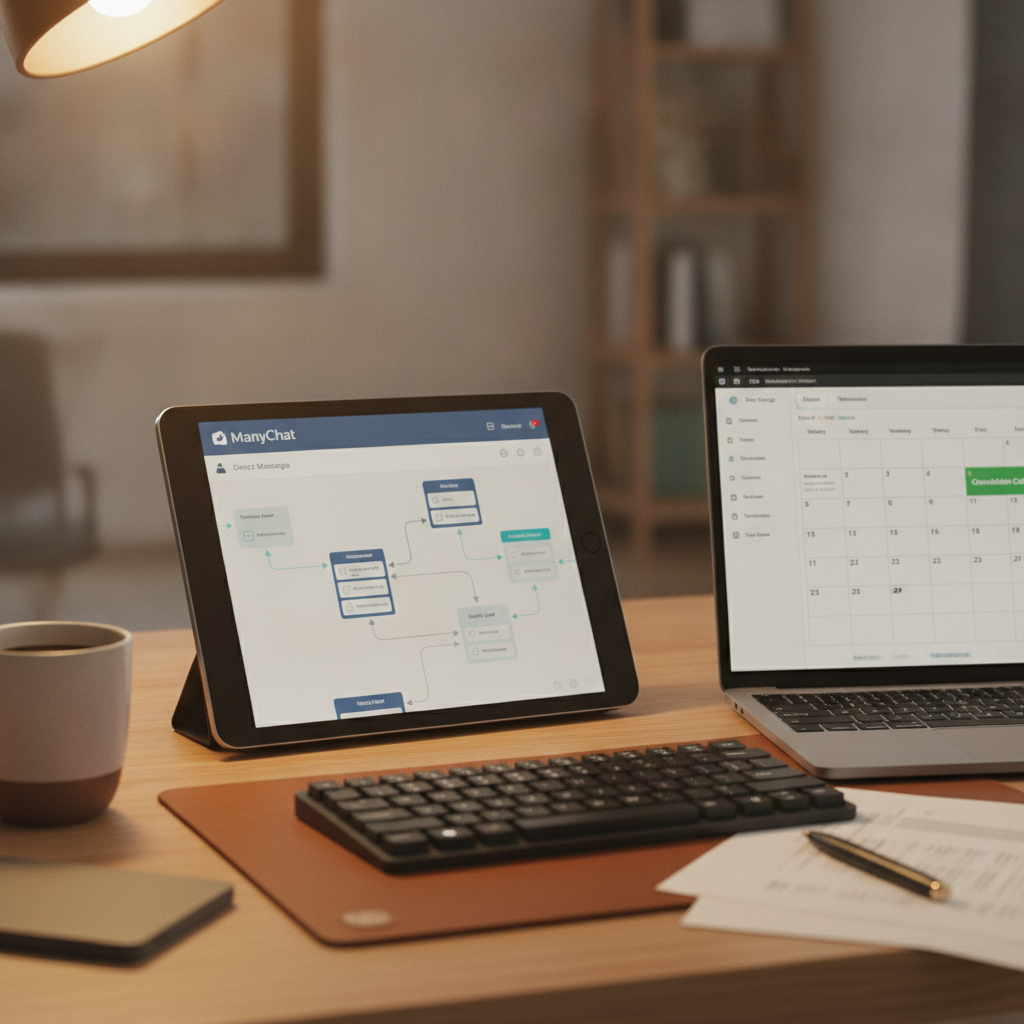
Set up the automation flow in ManyChat or Inrō: a Reel CTA instructs viewers to comment a keyword such as 'BOOK,' 'RHINOPLASTY,' or 'CONSULT.' When a user comments, the automation instantly sends a DM with a warm opener, two qualifying questions about procedure interest and timeline, and a direct link to the consultation booking page. One Miami plastic surgery clinic converted roughly 500 qualified consultations from 1,000 Instagram DMs in two weeks using this exact flow. A single Reel with a well-designed comment-to-DM trigger can produce 100 or more qualified leads when the offer and trigger are aligned with what prospective patients are already searching for.
Build three separate automation flows, one per top procedure, so the DM content is procedure-specific rather than generic. A user who comments on a breast augmentation Reel receives a DM sequence that references recovery time for breast augmentation, common questions about implant type, and a link to a breast-augmentation-specific consultation form. Procedure-specific flows convert at higher rates because they skip the qualification step that generic flows require. Review the flows quarterly and update qualifying questions based on the most common pre-consultation inquiries your front desk team fields — this keeps the automation aligned with real patient behavior rather than assumptions made at setup time.
ManyChat
$15/mo (Pro)
Builds comment-to-DM and DM automation flows natively inside Instagram without requiring API developer access — the fastest setup path for most practices
Inrō
$29/mo
Aesthetic-clinic-specific DM automation with bilingual flow support and built-in consultation booking link triggers — better fit for practices serving Spanish-speaking patient populations
FTC reminder
Automated DM flows that include patient testimonials must use only real, consented patient quotes. AI-generated testimonials in DM sequences violate the FTC Consumer Reviews Rule and carry penalties up to $53,088 per violation — do not populate flow templates with fabricated social proof, even as placeholder copy that staff forget to replace.
Run Paid Advertising That Survives Meta's April 2026 Enforcement Expansion
Meta expanded enforcement around sensitive health and body-image content in April 2026: social ads that promote unrealistic or negative self-perception may now be restricted or rejected outright on first review, with breach rates as high as 71% among some cosmetic practitioner groups. The plastic surgery practices that lose the least ad spend to rejections are those that frame ads around outcomes and education rather than insecurity and comparison. 'See what rhinoplasty recovery looks like on Day 7' passes first review. 'Fix your nose before summer' typically does not. Video ads outperform static image ads in this environment because they establish surgeon authority before the click, which aligns with what Meta's policy guidelines now reward.
Plastic surgery CPL on Meta Ads runs $100–$300 in mid-to-large US metros and $200–$500 in tier-1 metros such as NYC, LA, Miami, and San Francisco. Start paid advertising with a retargeting campaign before any cold traffic campaign, because retargeting profile visitors, video viewers, and website traffic converts at 3–5 times cold targeting rates. The fastest path to a positive first-month ROI is a retargeting audience built from 60-day Instagram video viewers combined with a lookalike audience based on your consultation-booked custom conversion. Compare this to Google Ads, where average CPA runs around $126 versus Facebook Ads at roughly $65 — the blended approach across both social ads and search ads typically produces the lowest overall cost per booked consultation.
Structure your Meta campaigns across three layers: awareness (broad Reels promotion to a geo-targeted demographic, $20–$30/day), retargeting (profile visitors plus video viewers, $15–$20/day), and conversion (consultation form or call-now CTA, $25–$40/day). Exclude anyone who has already submitted a consultation form from all ad sets to avoid wasting budget on existing leads. Track cost per consultation booked — not cost per click — as the primary paid advertising KPI. Social media campaigns structured around this three-layer funnel consistently deliver better ROI than single-layer awareness or conversion-only campaigns because each layer feeds the next with warmer, more qualified traffic.
Meta Ads Manager
Free (ad spend billed separately)
The only platform for running Instagram-native paid ads with full pixel retargeting, custom audiences, and conversion tracking for plastic surgery — no third-party tool replicates its native audience data
Pencil
$99/mo
Generates compliant ad creative variations for A/B testing, reducing creative production time from hours to minutes for educational video ad formats that pass Meta's April 2026 enforcement filters
Policy check
Google changed its cosmetic procedure ad policy in September 2025 to allow more mature procedure imagery, but Meta's April 2026 enforcement moves in the opposite direction. Keep a copy of every rejected ad and its rejection reason — pattern-matching rejections reveals which creative elements trigger the filter so you can fix them before resubmitting, not after burning budget on a 48-hour review cycle.
Track the Metrics That Measure Instagram's Real Impact on Consultation Bookings
Instagram's organic authority-building produces far higher-quality leads than paid social: SEO leads convert to consultations at 18.9%, Meta Ads leads convert at 6.2%, but personal referral leads convert at 36.8%. Instagram's organic content function is to close the gap between cold paid traffic and warm referral quality by building familiarity and trust over the 6–12 month research window prospective patients use before making a first call. Measure the platform on metrics that reflect that function, not vanity metrics like follower growth. Follower count tells you nothing about consultation volume; DM-to-booking rate tells you everything.
Track four numbers weekly: DM-to-consultation booking rate (target above 20%), comment-to-DM trigger activation rate per Reel, average DM first-response time (target under 15 minutes during business hours), and cost per booked consultation from paid advertising. Track three numbers monthly: Reels reach by content pillar to identify which procedure education topics drive the most discovery, profile visits that result in a link-in-bio click, and new consultation bookings that cite Instagram as the referral source on your intake form. Those seven metrics give a complete picture of the platform's contribution to revenue without relying on reach or follower count as success signals. This is a digital marketing strategy built around revenue attribution, not social media vanity.
Use Instagram's native Insights for Reels watch time and sends-per-reach data, Metricool for cross-post analytics and content calendar performance, and CallRail for phone call attribution if your booking flow includes a call option. Set a 90-day review cadence: pull the data, identify the three Reels with the highest sends-per-reach from the past quarter, and use those as the template format for the next quarter's content calendar. This feedback loop compounds — each quarter's content is slightly better-calibrated to what the target audience actually shares, and over 12 months the practice builds a data-confirmed social media marketing strategy rather than a collection of individual posts.
CallRail
$45/mo
Attributes inbound phone consultation calls to Instagram specifically using dynamic number insertion, closing the attribution gap between social content and booked appointments that Meta pixel alone cannot capture
Metricool
$22/mo
Aggregates Instagram Insights data into exportable reports so monthly performance reviews take 20 minutes instead of two hours
Attribution tip
Add 'How did you hear about us?' as a required field on your consultation booking form with Instagram listed as an explicit option alongside Google, referral, and other channels. Self-reported attribution from intake forms, combined with CallRail call tracking and Meta pixel conversion data, gives a more accurate read on Instagram's true consultation contribution than any single tracking method alone.
The Content Is Worthless Without a Sub-15-Minute DM Response System
The first clinic to reply to a patient's Instagram DM wins the booking. Industry data puts the first-responder window at 5–15 minutes, and replying within 5 minutes makes a lead 21 times more likely to convert than replying after 30 minutes. Yet 30–50% of inbound DMs arrive after hours. A ManyChat or Inrō automation flow that responds instantly to comment triggers and DM inquiries is not a nice-to-have add-on — it is the difference between a content investment that books consultations and one that just builds a portfolio of great Reels nobody converts from. Set up at least one after-hours DM automation before running your first paid ad campaign.
Instagram marketing for plastic surgeons is not a follower-growth exercise. The $19.1 billion US cosmetic surgery market runs on trust built over 6–12 months of patient research, and Instagram is the social media platform where that trust is won or lost before a single phone call is made. The practices that build a credential-forward profile, post 3–4 algorithm-ready Reels per week, standardize ethical before-and-after photos, and back it all with a DM automation layer are the ones converting their content investment into booked consultations at 20%-plus rates. The system in this guide takes 3–5 hours to set up and 4–6 hours per week to maintain. Practices that commit to it for 90 days consistently report consultation pipelines that look more like referral quality than paid ad quality — because that is exactly what ethical, surgeon-led Instagram content produces. If you want a team that builds and manages this system end-to-end for plastic surgery and aesthetic medicine practices, contact Geek Powered Studios for a consultation.
Frequently Asked Questions
Ready to get started? Contact Geek Powered Studios today.